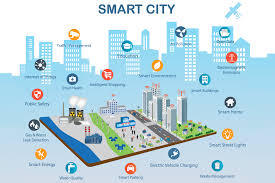


The requisites of a smart city include digital infrastructure (like broadband and IoT), smart and sustainable systems for energy, transportation, waste, and water management, enhanced public services and governance through technology, and a focus on citizen engagement and quality of life through improved safety and healthcare.
Infrastructure and technology:
- Digital backbone: A robust network of broadband, sensors, and communication technologies (including the Internet of Things) is essential for data collection and management.
- Smart grids: Implementing intelligent energy grids for efficient power distribution, renewable energy integration, and smart meters.
- Intelligent transportation: Utilizing technology to manage traffic flow, optimize public transit, and provide real-time travel information.
- Efficient systems: Implementing smart solutions for water management (leak detection, real-time monitoring) and waste management (sensor-enabled bins, optimized collection).
Governance and services:
- Smart governance: Using e-governance services and data analytics to make governance more transparent, efficient, and responsive to citizen needs.
- Public safety: Deploying technology like surveillance, sensors, and advanced analytics for crime prevention, early warning systems, and emergency response.
- Modernized public services: Improving the delivery of services such as healthcare through telemedicine and remote monitoring, and streamlining administrative processes.
Sustainability and quality of life:
- Environmental sustainability: Focusing on energy conservation, reducing pollution, and managing natural resources more effectively through initiatives like smart streetlights and environmental monitoring.
- Higher quality of life: Ensuring residents have access to a high quality of life through better healthcare, safer public spaces, and access to resources and jobs within the city.
- Citizen engagement: Involving residents in the planning and development process to ensure that smart city initiatives meet their needs.
What are the five essential features of a smart city?
What is a smart city?
- Smart urban transportation networks.
- Upgraded water supply and waste disposal facilities.
- More efficient ways to light and heat buildings.
- More interactive and responsive city administration.
- Safer public spaces.
What do you need for a smart city?
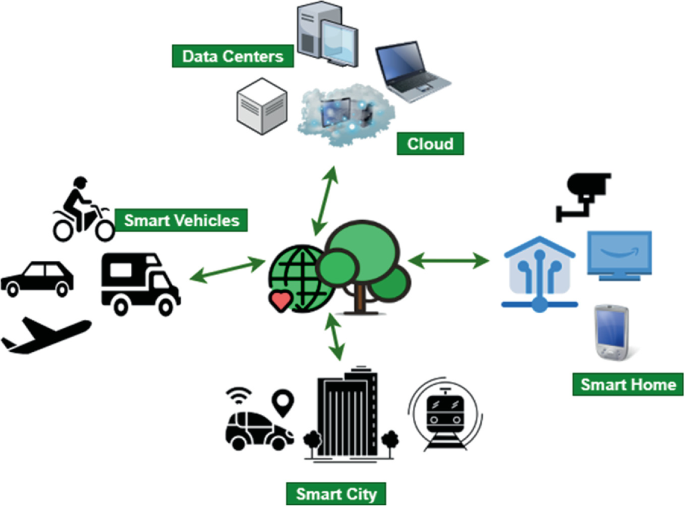
The concept of a smart city involves the integration of various interconnected components, such as information and communication technologies (ICT), software solutions, data analytics, innovative urban planning strategies and, first and foremost, the Internet of Things (IoT).
What are the six pillars of smart city?
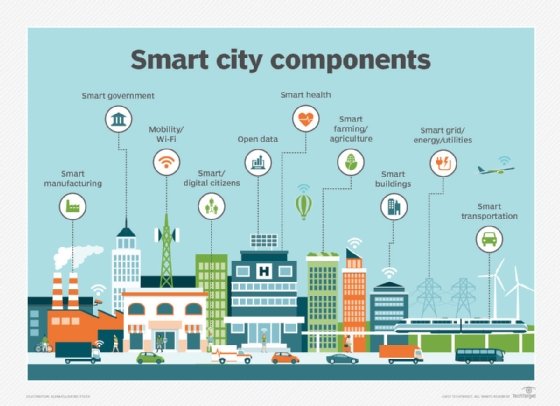
Referencing De Jong (2020) and other scholars, he identified six major dimensions of smart cities: smart government, smart people, smart environment, smart economy, smart living, and smart mobility.
What are the 4 pillars of smart city in India?
Through smart solutions, the mission seeks to promote economic growth, inclusivity, and sustainability by focusing on the social, economic, physical, and institutional pillars of urban development.
What are the six dimensions of a smart city?
Most researchers have divided this structure into six main components: smart people, the smart government, smart environment, smart transportation, smart economy, and smart life.
What are the five characteristics of a city?
Five characteristics of a city are high population density, which means many people live in a small area; developed infrastructure, like roads, public transport, and utility systems; diverse economic opportunities, such as jobs in various industries; advanced services, including hospitals and educational institutions; and a distinct urban landscape with a mix of commercial, residential, and other types of buildings.
Population and density:
- High population density: A large number of people live relatively close together. This leads to high-density housing like apartments and busy streets.
Infrastructure and services:
- Developed infrastructure: Cities have extensive systems for transportation (buses, subways), sanitation, water, electricity, and communication.
- Advanced services: They typically feature a high concentration of hospitals, specialized medical care, and a wide range of educational institutions, from schools to universities.
Economy and employment:
- Economic opportunities: Cities are centers for various jobs in business, IT, government, and industry, which attract people from rural areas.
- Diverse economy: A city’s economy is often characterized by a mix of commercial and industrial activities.
Urban landscape and culture:
- Distinct urban landscape: This includes a high density of buildings, a downtown area, and a mix of commercial and residential areas.
- Diverse culture: Cities are often home to diverse populations and a variety of cultural expressions and lifestyles.
Governance:
- Self-governance: Many cities have their own government, which may include elected officials like a mayor, responsible for managing the city’s affairs.
How to convert a city into a smart city?
Assessing Current City Infrastructure and Needs
- Developing a Smart City Plan and Design
- Assessment and Objectives
- Stakeholder Engagement
- Technology Evaluation
- Data Management and Compliance
- Financial Planning
- Prioritize and Pilot
- Adaptation and Maintenance
These are some of the observations found in Google search regarding Smart City concept.