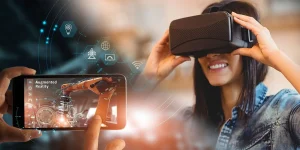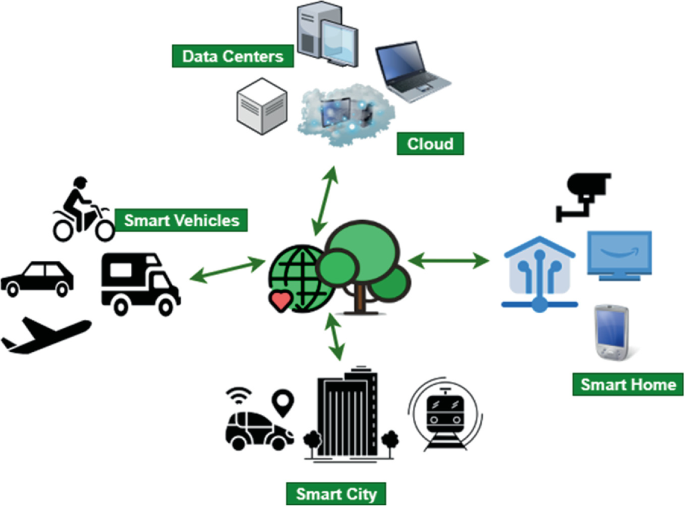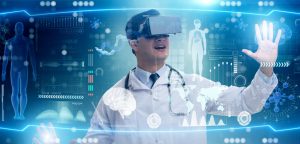


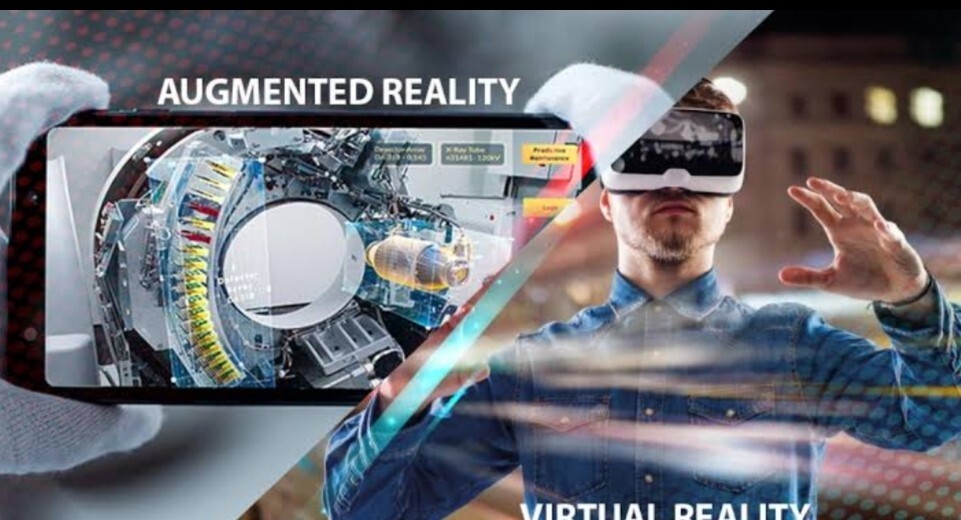
VR and AR are beneficial for mankind by enhancing education, healthcare, and entertainment through immersive and interactive experiences. They improve employee training by allowing for safe simulations, aid medical professionals with real-time data and surgical practice, and boost productivity in fields like manufacturing by providing interactive instructions. Additionally, these technologies facilitate empathy, enable virtual exploration, and create new avenues for entertainment and communication.
Education and training:
- Immersive learning: VR creates virtual environments for students to explore subjects like history or anatomy in a hands-on way, making complex topics easier to understand.
- Safe simulations: Industries like aviation, engineering, and medicine can use VR to train employees in high-risk situations without real-world consequences.
- Enhanced learning: AR overlays digital information onto the real world, which can be used to provide real-time instructions for complex tasks or to visualize 3D models in education.
- Empathy building: VR can immerse users in different perspectives to foster a deeper understanding and empathy.
Healthcare:
- Surgical assistance: AR can project crucial data, such as patient vitals, directly onto a surgeon’s view during a procedure.
- Pain management: VR is used in pain management and rehabilitation by shifting a patient’s attention and reducing the perception of pain.
- Mental health: Both VR and AR are being used in mental health therapies to treat conditions like PTSD and anxiety by simulating specific environments.
Business and productivity:
- Improved design: Architects and engineers can use VR and AR to visualize and interact with 3D models of their projects before they are built, helping to identify flaws and make improvements.
- Streamlined workflows: AR can provide real-time instructions and data for factory workers, reducing errors and increasing efficiency in manufacturing and logistics.
- Virtual collaboration: VR can create virtual meeting spaces, allowing for more immersive and effective collaboration between remote teams.
Entertainment and user experience:
- Next-level gaming: VR offers more immersive and realistic gaming experiences by placing users directly inside the game world.
- Enhanced retail: AR allows customers to visualize products, such as furniture in their own homes, which can lead to higher conversion rates and customer satisfaction.
- Interactive content: AR can enhance live events and media by overlaying digital effects or information, creating a more engaging experience for viewers.
What are the benefits of AR and VR?
Improved Customer Experience:
- Revolutionizing Healthcare. AR and VR are making huge strides in healthcare, providing better tools for both medical professionals and patients. …
- Immersive Entertainment and Gaming. …
- Improved Design and Visualization. …
- Revolutionizing Real Estate. …
- Enhanced Travel and Tourism.
What is one way we use AR or VR to be helpful in everyday life?
Surgeons are utilizing VR to simulate complex surgeries for training purposes, while AR is helping them visualize complex concepts in the patient’s anatomy during operations. These technologies are also being used for patient education and rehabilitation.
What is the benefit of virtual reality VR and augmented reality AR in treating depression?
Interventions adopting augmented and virtual reality (AR/VR) modalities allow participants to explore and experience realistic scenarios, making them useful psycho-educational tools for mental illnesses.
How is VR beneficial to society?
What is importance of virtual reality? Virtual reality is vital for enhancing education, training, and experiences. It creates immersive, interactive environments that improve learning, simulate real-world scenarios, and enhance empathy, ultimately advancing fields like education, healthcare, and entertainment.
What are the 5 applications of AR and VR?
VR/AR technology is most commonly used in industries like healthcare, education and training, real estate, retail, manufacturing, construction, entertainment, and gaming. As per published on18 Sept 2024.
Is VR good for your body?
While spending too much time wearing a VR headset can certainly result in headaches, eye strain and even motion sickness, VR gaming can provide a plethora of mental health benefits to gamers. The immersive nature of these devices can even reduce levels of depression and social isolation.
How can virtual reality help make us more human?
Increased Empathy>>
It allows viewers to see directly through the ‘eyes’ of a real or imagined subject and more specifically, VR can create ’embodied cognition’. It forces the user not just to ‘see’ from another perspective, but to experience a complete transformation of the self.
What is a major advantage of using virtual reality VR and augmented reality AR in psychological testing?
VR offers the ability to control and manipulate features of the environment that can be used to test and assess relevant variables, such as eliciting paranoia in social situations or examining responses to cues within the environment.
How can AR be used in real life?
Some AR glasses allow surgeons to project an X-ray or CAT image over a patient’s body to see the inside, enabling more precise surgeries. Additionally, they can pull patients’ records in real-time without interrupting the surgeries.
Is VR good for mental health?
A person might use it to practice new skills, face a fear in a safe environment, or become more confident in social interactions. VR therapy does not replace standard treatments for mental health conditions. Instead, most clinicians use it as an additional treatment.
What are the benefits of virtual reality?
Virtual reality’s advantages include immersive experiences for entertainment and learning, safe and cost-effective training in fields like medicine and aviation, and increased accessibility for people with disabilities. It also facilitates product design and prototyping, enables virtual travel, and has therapeutic applications for conditions like phobias and PTSD.
Immersive and engaging experiences:
- Entertainment: Creates highly engaging video games and other entertainment that make users feel part of the action.
- Learning: Makes education more interactive and memorable by allowing students to experience things firsthand, such as virtual field trips to historical sites or the human body.
- Realism: Provides a sense of presence by using realistic visuals, spatial audio, and haptic feedback to make virtual environments feel tangible.
Training and education:
- Safe practice: Offers a safe, controlled environment for practicing complex or dangerous tasks without real-world risk, such as surgical procedures or firefighting.
- Cost-effective: Reduces costs associated with traditional training methods like travel, physical materials, and equipment.
- Skill development: Allows for repeatable simulations, which helps users refine skills and can be customized for personalized learning.
Accessibility and therapy:
- Increased accessibility: Provides people with physical disabilities or those who cannot travel with access to experiences and environments they would otherwise miss.
- Therapeutic use: Aids in mental health treatment by allowing patients to safely confront and manage conditions like phobias and PTSD in a controlled setting.
- Pain management: Can be used to distract patients during painful medical procedures, reducing the perception of pain.
Design and visualization:
- Prototyping: Allows designers and engineers to create and test virtual prototypes of products before physical production, saving time and money.
- Architecture: Enables virtual walkthroughs of buildings, allowing clients to visualize and make changes to designs before construction.