

Linux is known for being a free, open-source, and highly customizable operating system with exceptional stability, security, and performance. Its popularity stems from its open development model, cost-effectiveness, and widespread use in servers, supercomputers, and various devices, including smartphones. Linux is also recognized for its robust community support and efficiency, making it a versatile choice for everything from personal use to large-scale enterprise systems.
Key characteristics:
- Open Source: The source code is publicly available, allowing users to view, modify, and distribute it freely, which fosters innovation and collaboration.
- Cost-Effective: Most Linux distributions are free to download and use, making it a very affordable alternative to proprietary operating systems.
- Stability and Performance: Linux is renowned for its ability to run for long periods without crashing or needing restarts, making it ideal for servers and critical systems.
- Security: Its robust permission model and the open-source community’s ability to quickly identify and fix vulnerabilities contribute to its strong security features.
- Customization: Users can tailor the OS to their specific needs by changing the look, feel, and functionality through its flexible architecture.
- Community Support: A large and active community provides extensive online resources, forums, and documentation for support and troubleshooting.
Where it’s used ?
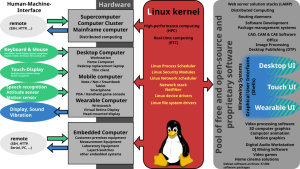
- Servers: It powers a significant portion of the internet and is the dominant OS for web servers and data centers.
- Supercomputers: Linux runs all of the world’s top 500 supercomputers.
- Embedded Systems: It is used in a wide range of devices, from smartphones (Android is based on the Linux kernel) to smart TVs, routers, and even cars.
What is so special about Linux?
Without a doubt, Linux is an operating system that is “by the people, for the people”. These tenets are also a main factor in why many people choose Linux. It’s about freedom and freedom of use and freedom of choice.
What is the main purpose of Linux?
Linux is used as an operating system for a wide variety of purposes, including running servers, powering the Android mobile OS, and on personal computers for desktop use. It is also used in supercomputers, embedded systems, smart devices like TVs and routers, and for cybersecurity and software development.
Common uses for Linux:
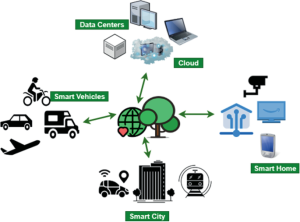
- Servers and cloud infrastructure: Linux is widely used for web servers, file servers, database servers, and private cloud platforms due to its security, stability, and flexibility.
- Smartphones: The Android operating system, which runs on billions of smartphones worldwide, is based on the Linux kernel.
- Personal computers: Many people use Linux as a desktop OS for its security and customizability, especially programmers who prefer its open-source nature.
- Embedded systems: It’s found in a vast array of devices, including smart TVs, routers, IoT gadgets, and other home appliances.
- Supercomputers: Linux powers all of the world’s 500 fastest supercomputers, making it the predominant OS for high-performance computing and scientific research.
- Software development: Developers use Linux for coding, debugging, and building applications, and it’s a popular choice for DevOps environments because of its support for containers and automation.
- Cybersecurity: It is an essential tool for cybersecurity professionals for tasks like ethical hacking, penetration testing, and security research.
What are the main features of Linux?
Key features of Linux include being open-source, a multi-user and multitasking environment, and a focus on security and stability. It is highly portable, customizable, and comes with a powerful command-line interface (CLI) and a vibrant community for support.
Core features of Linux:
- Open Source: The source code is freely available, allowing for modification and distribution, and has fostered a large, collaborative community.
- Multi-user: Allows multiple users to access the system simultaneously and share resources without interference.
- Multitasking: Capable of running multiple applications at the same time.
- Security: Strong security features, including a robust user permission model and a focus on protection against malware.
- Stability and Reliability: Known for its stability, which allows it to run for long periods without crashing, making it ideal for servers.
- Portability: Can be run on a wide variety of hardware, from embedded systems to high-performance servers.
- Customizability: Highly adaptable, allowing users to modify the operating system, including the desktop environment, to their specific needs.
- Command-Line Interface (CLI): Includes a powerful shell for efficient command execution and system management.
- Package Management: Built-in package managers simplify the installation, removal, and updating of software.
- Community Support: Benefits from a large and active community that provides extensive support, documentation, and regular updates.
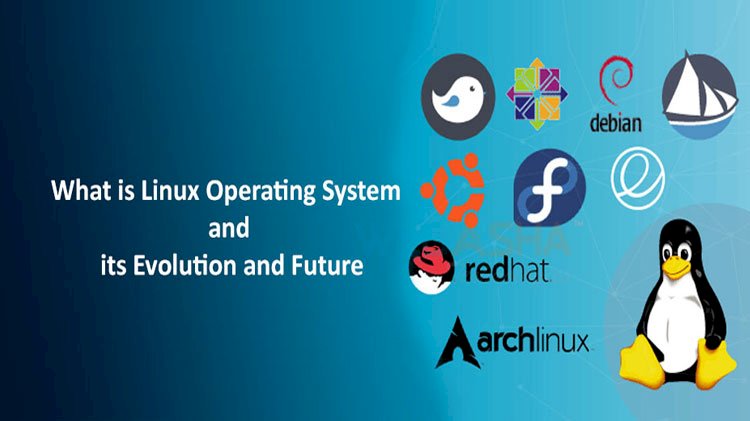
- Diverse Distributions: Offers a wide range of distributions (distros) tailored for different purposes and user preferences.
What is the major advantage of Linux?
A key advantage of Linux is its open-source nature, which means it is free to use and allows users to modify and distribute the code freely. Other key advantages include enhanced security, which makes it less vulnerable to viruses, and its stability and reliability, leading to less frequent crashes and reboots.
Open source and cost-effectiveness:
- Free to use: The software is typically free to download and use, which saves on licensing costs.
- Flexibility: You can modify the source code to customize the operating system for your specific needs.
Security:
- Less vulnerable: Linux is generally considered more secure than many other operating systems due to its architecture, strong user permissions, and smaller market share, which results in less targeted malware.
- Requires administrator privileges: Many system-level actions, like installing software or updates, require an administrator password, which prevents viruses from executing easily.
Stability and performance:
- Reliable: Linux systems are known for being very stable and reliable, with long uptimes and fewer crashes.
- Efficient: It performs well even on older or less powerful hardware.
Is Linux OS better than Windows?
Whether Linux is “better” than Windows depends on your needs, as they have different strengths. Linux is often preferred by developers and IT professionals for its security, cost-free nature, and customization, while Windows is generally considered more user-friendly for the average user and has better compatibility with commercial software and gaming.
Linux advantages:
- Cost: It’s typically free, unlike Windows, which requires a paid license.
- Security: Many consider Linux more secure due to its open-source nature, robust permission system, and less frequent targeting by malware.
- Customization: Users have extensive control over their system’s look, feel, and functionality, and it is often open-source.
- Efficiency: It is often faster and more efficient, especially on older or less powerful hardware, as it is generally less resource-intensive.
- Software Management: Installing and updating software is often streamlined through central software repositories and package managers.