


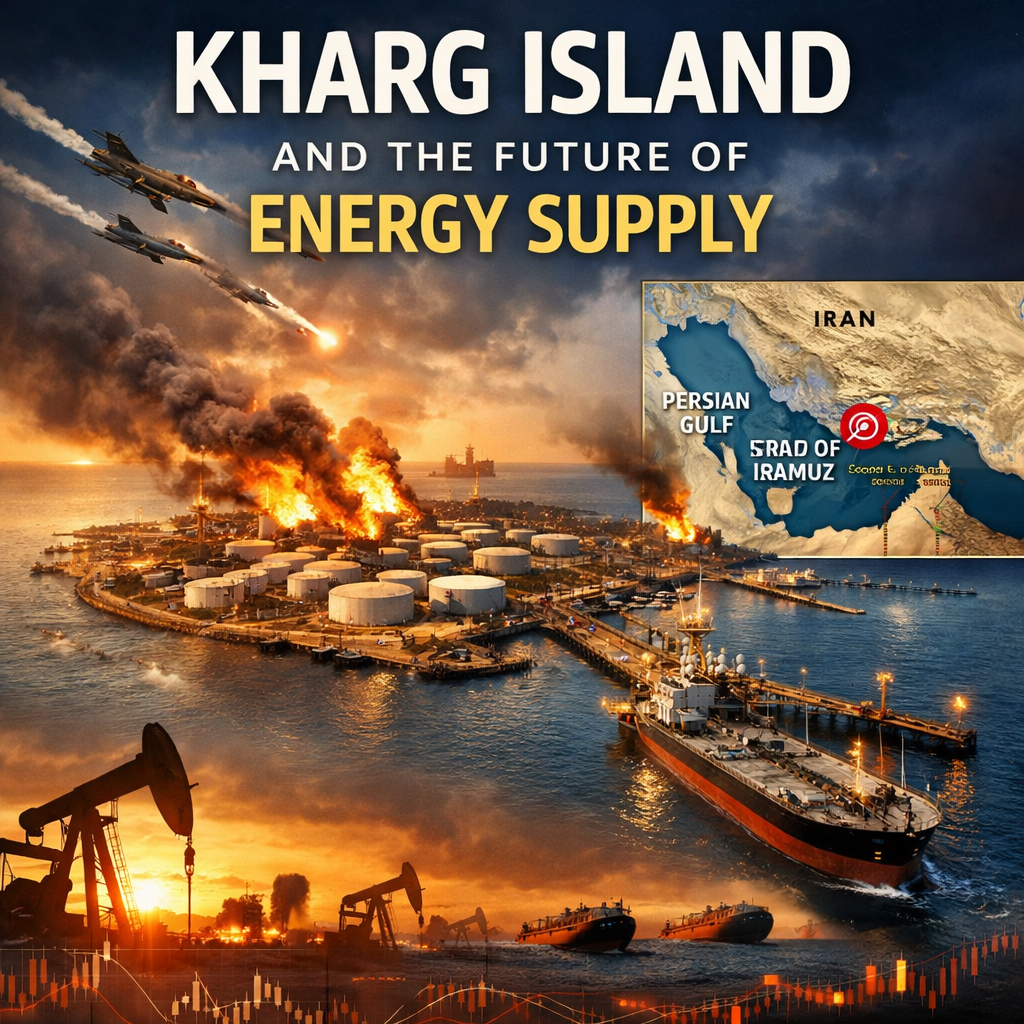
International attention has recently intensified around the Middle East as geopolitical tensions and military developments raise concerns about global energy security. A major focus of these discussions is Kharg Island, a strategically important location in Iran that plays a crucial role in the global oil supply chain. As conflicts escalate in the region, energy markets, governments, and analysts worldwide are closely monitoring developments that could significantly impact oil prices, trade routes, and economic stability.
Recent military activity and diplomatic tensions surrounding this island have sparked debates among policymakers and energy experts. Because the Middle East remains the heart of global oil production, any disruption to infrastructure or shipping lanes in this region can have immediate and widespread consequences for global energy markets.
Why Kharg Island Is Critical to Global Oil Supply
Kharg Island is not just another geographical location in the Persian Gulf—it is the backbone of Iran’s oil export system. The island serves as the main terminal for shipping crude oil from Iranian oil fields to international markets. Analysts estimate that around 90% of Iran’s crude oil exports pass through this facility, making it one of the most important energy hubs in the region.
Oil extracted from major Iranian fields is transported through pipelines to storage tanks and loading terminals on the island, where large tankers collect the crude and ship it to buyers worldwide. The island has extensive storage capacity and infrastructure designed specifically for large-scale oil export operations.
Because of its importance, Kharg Island has become a focal point in geopolitical discussions. Any disruption to operations there could dramatically reduce Iran’s ability to export oil. Energy analysts warn that damage to such infrastructure would not only affect Iran’s economy but could also lead to sharp increases in global oil prices.
This is particularly significant because Iran is among the major oil producers in the world, contributing a notable share of global crude supply. When a key export hub faces risk, international markets often react quickly with price volatility and supply chain adjustments.
Middle East Conflict and Global Energy Market Impact
The recent escalation of military tensions in the Middle East has heightened fears of supply disruptions across the global energy sector. Reports indicate that strikes targeting military sites near Kharg Island have increased concerns about possible damage to nearby oil infrastructure.
Although energy facilities were reportedly spared in some operations, the proximity of military activity to such a crucial export hub has raised alarm across global markets. Oil traders, shipping companies, and governments are closely watching the situation to evaluate potential risks.
Another major concern is the nearby Strait of Hormuz, one of the world’s most important maritime routes. Roughly one-fifth of global oil shipments pass through this narrow waterway every day. Any conflict that threatens shipping lanes in this region could disrupt energy flows to Asia, Europe, and other parts of the world.
Recent reports indicate that escalating tensions in the region have already contributed to rising oil prices and market uncertainty. Some analysts estimate that disruptions linked to the ongoing conflict could reduce global oil supply by millions of barrels per day if the situation worsens.
Energy-importing nations, including India, China, and several European countries, are particularly sensitive to these developments because their economies rely heavily on stable oil supplies.
Geopolitical Risks and Future Energy Security
The situation around Kharg Island highlights how closely geopolitics and energy security are connected. A single strategic location in the Middle East can influence global economic stability, energy prices, and international diplomacy.
Governments and energy organizations are now evaluating contingency plans, including strategic oil reserves, alternative supply routes, and diplomatic negotiations to prevent further escalation. At the same time, energy experts argue that the crisis underscores the importance of diversifying global energy sources and reducing dependence on vulnerable supply routes.
As geopolitical tensions continue to evolve, Kharg Island will likely remain at the center of international discussions about security, oil markets, and the future of energy supply.
Ending Note
The growing international focus on Kharg Island demonstrates how a localized conflict can quickly transform into a global economic concern. With energy markets deeply interconnected, developments in the Middle East can ripple across continents within days. Monitoring geopolitical developments, strengthening energy diversification strategies, and maintaining diplomatic engagement will be essential steps to ensure stability in global energy supply during this uncertain period.