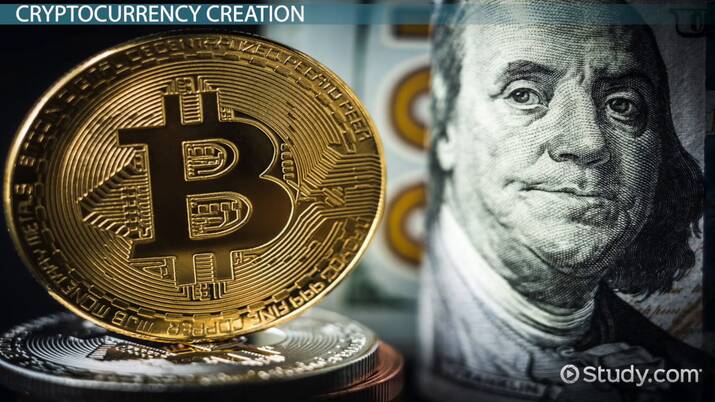




Blockchain is a distributed digital ledger that records and secures data across a network of computers, while cryptocurrency is a digital currency that uses this technology for secure transactions. Cryptocurrencies like Bitcoin are the most well-known application of blockchain, but the technology has
evolved to support a much wider range of uses.
About Blockchain data distribution:
A blockchain is a decentralized, immutable, and transparent record of data.
Key features include:
*Decentralization: Data is distributed across a peer-to-peer network rather than stored in one central location. This makes it resistant to tampering because there is no single point of failure for hackers to attack.
*Blocks: Transactions are recorded in groups called “blocks.” Each block contains a cryptographic hash of the previous block, linking them in a secure, chronological chain.
*Immutability: Once a block is added to the chain and confirmed by the network, its data is nearly impossible to alter retroactively. If an error occurs, a new transaction must be added to reverse it, and both records remain visible.
*Consensus mechanism: All network participants must agree that a transaction is valid before it is added to the chain. This is achieved through protocols like Proof of Work (PoW) or Proof of Stake (PoS).
About Cryptocurrency:
Cryptocurrency is a digital medium of exchange secured by cryptography and built on blockchain technology.
*Digital and Decentralized: Cryptocurrencies are purely digital and operate on decentralized blockchain
networks, allowing for peer-to-peer payments without a central authority like a bank.
*Popular Cryptocurrencies:
a) Bitcoin (BTC): The first and most well-known cryptocurrency, introduced in 2009. It was the first to use
blockchain to solve the “double-spending” problem without needing a central server.
b) Ethereum (ETH): A blockchain platform known for introducing smart contract functionality, which allows for the creation of decentralized applications (dApps).
c) Tether (USDT) and USD Coin (USDC): These are stable coins, a type of cryptocurrency pegged to a stable asset like the U.S. dollar to minimize price volatility.
d) Others: Other notable cryptocurrencies include Binance Coin (BNB), Solana (SOL), and Ripple (XRP).
The relationship between blockchain and cryptocurrency:
Blockchain is the underlying technology that enables the existence and operation of cryptocurrencies.
*Public Ledger: In the context of cryptocurrency, the blockchain acts as a transparent and permanent public ledger, recording all transactions.
*Enabling Decentralization: The blockchain’s decentralized nature is what allows cryptocurrencies to exist
outside the control of governments and financial institutions.
*Transaction Verification: When you send cryptocurrency, the transaction is bundled into a block and verified by the network, ensuring its legitimacy before being added to the blockchain.
Uses beyond cryptocurrency:
Blockchain’s potential extends far beyond cryptocurrencies.
Some applications include:
*Supply Chain Management: Tracking the movement of goods from their origin to the consumer to improve transparency and traceability.
*Smart Contracts: Self-executing contracts with the terms of an agreement directly written into code.
They automatically execute when predetermined conditions are met.
*Secure Record-Keeping: Industries like healthcare and real estate can use blockchain to store and verify
confidential records, from patient data to property deeds.
*Voting Systems: Creating secure, transparent, and tamper-proof voting records.
Risks and challenges:
Despite its benefits, blockchain and cryptocurrency face significant challenges.
*Volatility: Cryptocurrencies are known for extreme price fluctuations, making them a high-risk investment.
*Security Vulnerabilities: While the blockchain itself is secure, the exchanges and digital wallets used to
store cryptocurrencies are frequent targets for cyberattacks and scams.
*Regulation: The regulatory framework around blockchain and crypto is still evolving, creating uncertainty for businesses and investors.
*Energy Consumption: Some consensus mechanisms, particularly Proof of Work, require vast amounts of computing power and energy.
*Complexity and Scalability: The technology can be technically complex, and some blockchain networks struggle with scalability as transaction volumes increase.
How much is 1 crypto in rupees?
CRYPTO to INR over time>>
CRYPTO Today 24H -0.02%
1 CRYPTO ₹0.35 INR ₹0.35 INR
5 CRYPTO ₹1.75 INR ₹1.75 INR
10 CRYPTO ₹3.49 INR ₹3.49 INR
50 CRYPTO ₹17.46 INR ₹17.47 INR
Is blockchain 100% safe?
Blockchain isn’t 100% secure, but it is more resistant to fraud, tampering, and breaches than centralized
systems. Organizations can use blockchain for compliance by integrating it with financial workflows, accounting systems, and data protection strategies.
How do I convert blockchain to cash?
How to sell crypto through a web browser >>
1.Log into your Wallet via web browser.
2.Click Sell button at the top of the Home page.
3.Select the cryptocurrency you’d like to sell.
4.Enter the amount you’d like to sell denominated in crypto or your local currency and click Preview Sell.
Can I link my bank to blockchain?
If on mobile app, please go to Settings in the top left corner and scroll down till you see Linked Banks/Cards sections. From here, you can link or remove your bank accounts or cards. Once you add a
card or bank account, your Blockchain.com Wallet will remember it for future purchases.
What bank account accepts crypto?
Revolut, Monzo, and Starling are among the most crypto-friendly UK banks in 2025. They allow transfers
to FCA-registered
exchanges like eToro and Kraken without major restrictions.
How much do I need to start a Bitcoin account?
You can start investing in cryptocurrency with as little as $100, minimizing financial risk while exploring the market.
This technology is still not popular among common people. Maybe with time more people will get involved.
References:
Pictures taken from Google pages. Post information is also taken from:
https://www.google.com/search?sca_esv=e9516683f9cf8572&rlz=1C1CHBD_en-GBIN1169IN1169&udm=2&fbs=AIIjpHxU7SXXniUZfeShr2fp4giZ1Y6MJ25_tmWITc7uy4KIeqDdErwP5rACeJAty2zADJjYuUnSkczEhozYdaq1wZrEWeBTRRMkGx8PE2F9zI9kP0W9slwfD0e_E2SCYpxxEsC_BrWJwexl-O9EWcJokLfolidtcXxvW99MwkbO-wb4MAKMfrgJXRv1udcTEvX7muF0uB0QmZ1f0PFcGGpV6k0vi_XqFw&q=blockchain+%26+cryptocurrency&sa=X&ved=2ahUKEwiS7rKpkMGQAxUYT2wGHWrbC3wQtKgLegQIFxAB&biw=1366&bih=641&dpr=1#vhid=yNjOzu7IP1vWhM&vssid=mosaic