
Future trends are dominated by advancements in artificial intelligence (AI), biotechnology, and sustainability, leading to changes in how we live, work, and interact with the world. Key developments include the rise of humanoid robots, AI-driven decision-making in various sectors, and innovative food production methods like precision fermentation. Other major trends involve the expansion of the Internet of Things (IoT), 5G technology, and quantum computing, alongside a growing emphasis on sustainability through new energy solutions and biomaterials.
Technology and digital:
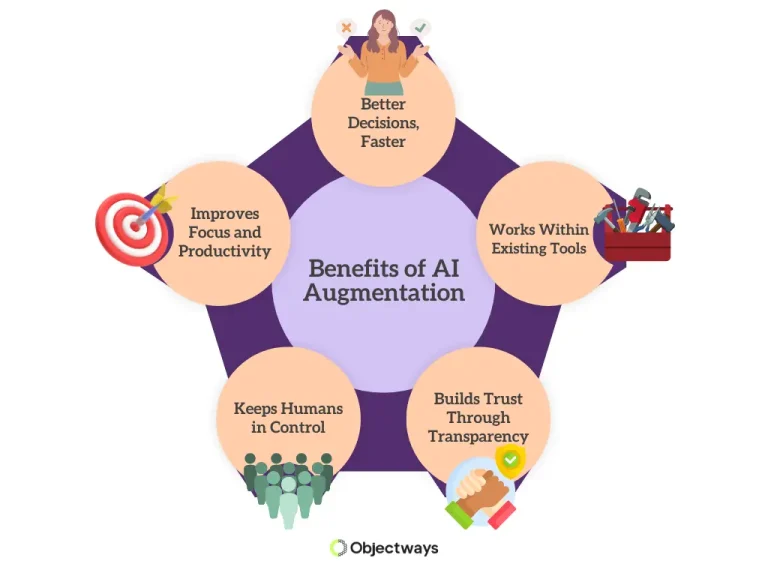
- Artificial Intelligence (AI): AI is becoming more integrated into everyday life, driving innovation in areas like healthcare, logistics, and creative industries through technologies like generative AI and machine learning.
- Robotics and automation: The development of humanoid robots is expected to make them a staple in homes and workplaces, while automation will increase across sectors like manufacturing and security.
- Extended Reality (XR): Augmented and virtual reality are set to create more immersive digital experiences, with spatial computing blurring the lines between the digital and physical worlds.
- Ubiquitous computing: Widespread computing power is driven by the growth of cloud computing, 5G networks, and quantum computing, connecting more devices and generating vast amounts of data.
- Blockchain and Web3: Distributed ledger technology is expanding beyond cryptocurrencies to enable smart contracts and secure ownership verification.
Health and biology:
- Biotechnology: Advancements in areas like synthetic biology and genomics allow for the engineering of biological systems, including modified crops and new disease treatments.
- Precision fermentation: This technology is revolutionizing food production by creating ingredients without traditional farming methods.
- Personalized medicine: Diagnostics are becoming more precise with technologies like lab-on-a-chip, and treatments are increasingly personalized based on individual data.
Sustainability and environment:
- Climate change: The impact of climate change is a major driver for trends like new energy solutions and sustainable materials.
- New mobility: This includes the rise of autonomous vehicles, robotaxis, and drone-powered urban transport.
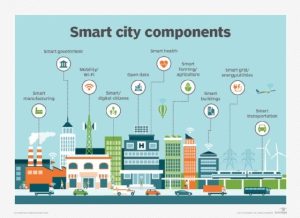
- Smart cities: The integration of technology into urban infrastructure aims to create more efficient and responsive cities.
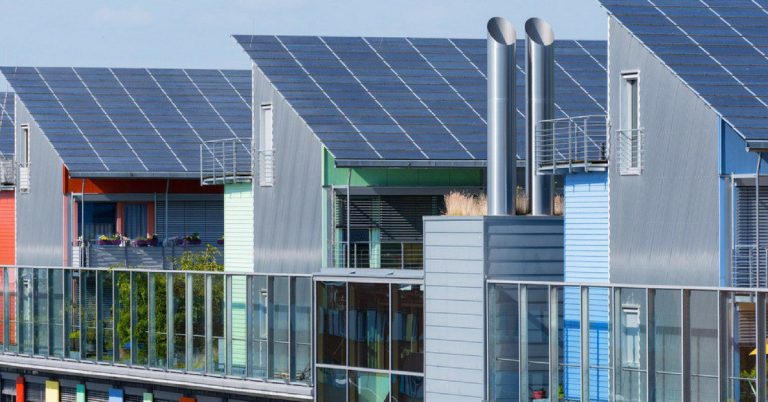
- Sustainable materials: Research is focused on creating materials with new properties, such as self-healing or anti-odor, and on developing greener energy sources.
Society and work:
- Future of work: Automation and AI are transforming jobs, creating new opportunities while also causing concerns about displacement and inequality.
- Digital transformation: Broadening digital access is seen as the most transformative trend, affecting businesses and daily life.
- Shifting consumer behaviors: There is an increased demand for personalized experiences in retail and travel, along with a focus on restoring solitude in travel.
What are future trends?
Future trends are significant developments or patterns of change that indicate the direction in which things like industries, economies, and cultures are headed. They represent a forecast of what is likely to become popular, successful, or influential in the upcoming time period and are often identified through the analysis of past data to predict future outcomes.
Key aspects of future trends:
- Indicators of change: Future trends act as signals for future directions in various sectors, from the economy to technology to societal norms.
- Forecasts and projections: They are a form of prediction or forecast about what is likely to happen, though they aren’t certainties.
- Pattern identification: Trends are identified by looking for patterns and data points over time. These can be linear, showing a steady increase or decrease, or exponential, showing rapid growth.
- Driving forces: Emerging trends are often driven by fundamental human needs and can be catalyzed by technology.
- Importance for planning: Identifying future trends allows organizations and individuals to prepare for the future, innovate, and make strategic decisions.
- Examples of areas they impact: They are observed across numerous fields, including climate change mitigation, sustainable transportation, new mobility, healthcare, and digital marketing.
Who is the owner of future Trends company?
The Valley was born out of an audacious dream, brought to life by our founders, Ujjwal Kotagiri and MSR Sandeep. A world created from nothingness, a valley sculpted out of the earth.
What will be trending in 2050?
Future Gazing: 10 Predictions for 2050 and Beyond
- AI-Driven Collective Intelligence. …
- Standardized Digital Information Flow Across Industries. …
- AI and Automation in Architecture & Construction. …
- Drone-Powered Urban Mobility. …
- Smart & Adaptive Cities. …
- Sustainable and Intelligent Logistics. …
- Biophilic Design.
What are the 5 types of trends?
Different types of trends — including upward, downward, horizontal, short-term, long-term and seasonal — have distinct implications for strategic planning and operational decisions. In 2030 the brain will be the user interface.
What is the biggest trend of 2025?
Top 15 Global Trends For 2025
- Robotaxis and Air Taxis Will Take-Off in 2025. …
- Biotech and Pharma Revolution Will Redefine the Future of Life. …
- Precision Fermentation Will Revolutionize What We Eat. …
- Spatial Computing Will Redraw the Boundaries of Reality. …
- Bots Will Become the Hidden Influencers of the Digital World. …
- Conclusion.
How are future trends being predicted?
Trend analysis is the process of examining data over time to identify consistent patterns or trends. It involves analyzing historical information to spot emerging themes, anticipate future developments, and gain actionable insights.
Which sector is best for next 5 years?
The best sectors in India for 2025 include technology and IT, renewable energy, pharmaceuticals and healthcare, infrastructure, and consumer goods.
We hope that the above post created by us help you a lot.