

Yes, artificial intelligence (AI) is highly beneficial for industries, driving significant gains in efficiency, productivity, quality control, and decision-making. It is widely adopted across sectors like manufacturing, logistics, and energy to optimize operations and reduce costs.
Key Industrial Benefits of AI:
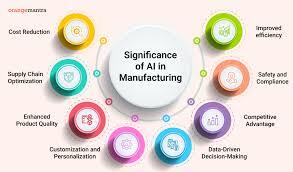
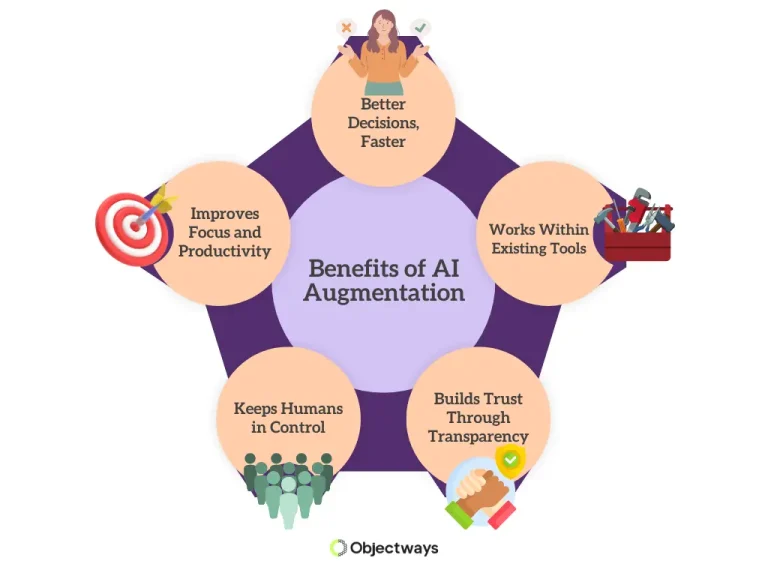
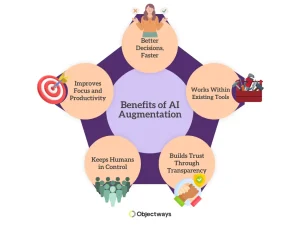
- Increased Operational Efficiency & Productivity: AI automates repetitive and data-intensive tasks, allowing human workers to focus on more strategic and creative work. This automation, combined with process optimization, leads to faster workflows and increased output.
- Predictive Maintenance: AI analyzes real-time data from sensors to predict equipment failures before they occur. This proactive approach minimizes unplanned downtime, extends the lifespan of machinery, and reduces maintenance costs significantly compared to reactive repairs.
- Improved Quality Control: Through computer vision and machine learning, AI systems can perform visual inspections with greater speed and accuracy than human inspectors, identifying microscopic defects and ensuring consistent product quality.
- Supply Chain Optimization: AI algorithms analyze vast datasets to enhance demand forecasting, optimize inventory levels, and streamline logistics and transportation routes. This helps prevent overstocking or stockouts and makes supply chains more resilient to disruption.
- Data-Driven Decision-Making: AI processes and analyzes massive volumes of data in real-time to provide actionable insights and support more informed, strategic business decisions.
- Enhanced Workplace Safety: AI improves safety by monitoring work environments for potential hazards, alerting supervisors to unsafe conditions, and powering collaborative robots (cobots) that can handle dangerous or strenuous tasks alongside human workers.
- Cost Reduction: By optimizing processes, reducing waste and errors, and enabling predictive maintenance, AI contributes to substantial cost savings across the entire production cycle.
- Innovation and Customization: Generative AI accelerates product development and design by quickly creating and testing virtual prototypes based on specified parameters. This also enables mass customization to meet individual customer preferences efficiently.
Challenges and Considerations:
While the benefits are significant, industries face challenges in AI adoption, including high initial implementation costs, the need for high-quality data, a shortage of skilled labor, and ethical/cybersecurity concerns.
Overall, AI is considered a transformative force in the current “Industry 4.0” and emerging “Industry 5.0” eras, providing a clear competitive advantage for companies that integrate it effectively into their operations.
How can AI benefit the industry?
AI offers numerous benefits for businesses, including task automation, improved efficiency, reduced human error, and enhanced customer satisfaction. By leveraging AI, companies can streamline operations and provide better service.
What industry will benefit most from AI?
- Financial Services
- Healthcare
- Higher Education
- Manufacturing
- Professional & Business Services
- Public Sector
- Retail
- Technology
How does AI affect the industrial sector?
Manufacturing: AI is driving the concept of smart manufacturing by optimizing production processes, reducing downtime, and improving product quality. AI-powered robots and automation systems are taking over repetitive tasks, leading to increased efficiency and productivity.
Which industry uses most AI?
- Artificial intelligence has long been on the horizon as an emerging business technology
- Industry 1: Healthcare and Life Sciences
- Industry 2: Financial Services
- Industry 3: Media and Communications
- Industry 4: Manufacturing
- Industry 5: Education and Non-profit
What industries can AI not replace?
- Healthcare professionals
- Creative professionals
- Skilled trades
- Educators and trainers
- Upper-level strategists and analysts
- Research scientists and engineers
- Customer service representatives
- Judges and legal professionals
What are 5 uses of AI in daily life?
- Online shopping and advertising
- Web search
- Digital personal assistants
- Machine translations
- Smart homes, cities and infrastructure
- Cars
- Cybersecurity
- Artificial intelligence against Covid-19
Above info is collected from Google search.