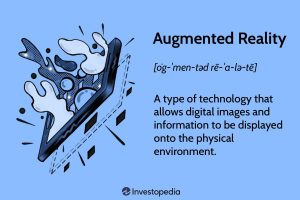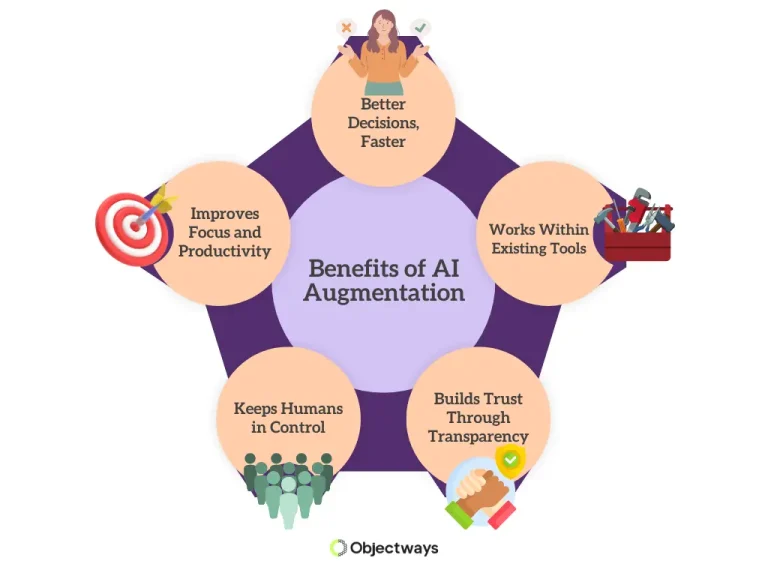

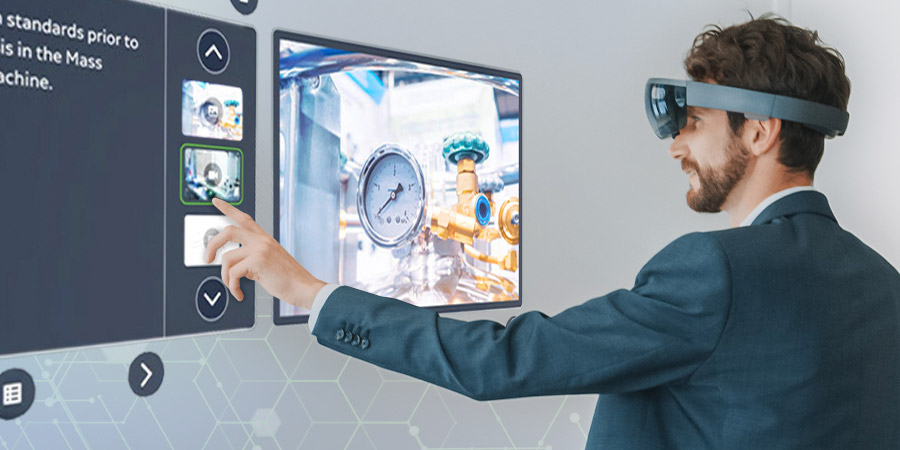
Augmented Reality (AR) is beneficial because it enhances experiences through interactive and immersive content, improves training and learning by providing hands-on, safe, and guided practice, and increases efficiency and productivity by overlaying real-time information onto physical tasks. It also reduces costs associated with physical prototypes, travel, and errors, while improving marketing through engaging, realistic product experiences.
Enhanced experiences:
- Immersive and interactive: AR seamlessly blends digital and real-world elements, creating more visually interesting and enjoyable experiences.
- Personalized content: It can tailor interactions and content based on a user’s location, behavior, and preferences, creating unique experiences.
- Improved decision-making: AR helps users visualize potential outcomes, such as how furniture will look in their home, leading to better decisions.
Improved training and learning:
- Hands-on and safe practice: AR allows for interactive, step-by-step guidance in simulations, enabling users to practice new skills in a safe environment without real-world risks.
- Complex concepts simplified: It can transform difficult subjects into interactive visual experiences, making them easier to understand and retain.
- Real-time assistance: In professional settings, AR can provide remote assistance by connecting experts with on-site technicians, allowing for real-time collaboration and guidance.
Increased efficiency and cost savings:
- Streamlined workflows: By overlaying instructions and schematics onto physical equipment, AR can guide technicians through complex repairs, increasing speed and accuracy.
- Reduced errors: Real-time guidance minimizes the risk of errors in tasks like assembly, maintenance, and navigation.
- Lower costs: AR reduces the need for physical prototypes, manuals, and travel, as well as the costs associated with mistakes and downtime.
Enhanced marketing and sales:
- Realistic product visualization: Customers can experience products realistically in their own space before buying, which can increase engagement and conversion.
- Memorable campaigns: The interactive and immersive nature of AR creates more memorable brand experiences than traditional advertising.
How is augmented reality beneficial?
This data-driven approach helps brands make informed decisions, improve customer engagement, and drive business growth. Bonus augmented reality benefits: AR increases engagement and interaction and provides a richer user experience. Research has shown that AR increases the perceived value of products and brands.
What is good about AR?
AR adds digital elements to the real world, allowing users to see and interact with both simultaneously. VR, on the other hand, immerses users in a completely virtual environment, blocking out the real world. AR enhances reality, while VR replaces it.
What are the advantages and disadvantages of AR?
Augmented reality’s advantages include enhanced learning and training, improved navigation, and better customer engagement through interactive experiences, while its disadvantages involve high costs, potential health concerns like eyestrain, privacy and security risks, and technical limitations like latency. It can also cause distraction and lead to a disconnect from the real world if not used responsibly.
Advantages of augmented reality:
- Enhanced education and training: AR creates immersive and interactive learning environments that boost engagement and understanding, and allows for risk-free simulations for dangerous or complex tasks.
- Improved navigation: AR overlays provide real-time guidance, making navigation and travel more efficient.
- Better customer experiences: It allows customers to preview products in their own space, which can improve satisfaction and reduce returns.
- Increased engagement: AR offers interactive and immersive content that can be used to create more engaging marketing and entertainment experiences.
- Healthcare improvements: AR can assist surgeons by visualizing internal structures and improve training through simulations.
Disadvantages of augmented reality:
- High cost: Implementing AR requires significant investment in hardware, software, and skilled labor, which can be a barrier for smaller organizations.
- Privacy and security risks: The collection of user data can raise privacy concerns, and AR devices are vulnerable to hacking.
- Potential for distraction and misuse: AR can distract users in critical situations, such as driving, and may cause users to become less vigilant of their surroundings.
- Health and safety concerns: Prolonged use can lead to eyestrain, headaches, or neck pain. There are also risks of cognitive overload from too much information.
- Technical limitations: AR technology can be limited by factors like the field of view, latency, and reliance on hardware capabilities, which can affect accuracy and user experience.
- Dependence on infrastructure: A reliable internet connection and compatible devices are necessary for AR applications to function.
What is the main purpose of AR?
The primary value of augmented reality is the manner in which components of a digital world blend into a person’s perception of the real world, through the integration of immersive sensations, which are perceived as real in the user’s environment.
What are the benefits of AR in education?
Through interactive and gamified learning, AR keeps students engaged throughout the lesson. This makes learning effortless and fun-filled. Immersion techniques, such as virtual worlds, encourage students to explore the learning materials more deeply. It makes lessons appear more interesting, relevant, and real.
How is AR used in everyday life?
Augmented reality (AR) examples in daily life include using smartphone apps like Snapchat filters, Pokemon Go, or IKEA Place to visualize furniture in your home. Other uses include overlaying directions onto your phone’s camera for navigation, using virtual try-on features for makeup and glasses, getting real-time information through Google Lens, and certain automotive heads-up displays that show information on the windshield.
Entertainment and social media:
- Social media filters: Snapchat and Instagram filters that add virtual effects like animal ears or makeup to your face in real-time are a common form of AR.
- Gaming: Games like Pokemon Go use AR to overlay animated characters onto your real-world surroundings, which you can interact with through your phone’s camera.
- Google searches: You can use Google to project 3D models of animals or dinosaurs into your living room.
Shopping and retail:
Augmented reality mirrors: Some retail stores use AR mirrors that allow customers to try on clothes without a fitting room by displaying different outfits on their reflection.
Virtual try-on: Apps from stores like IKEA allow you to place virtual furniture in your room to see how it looks before buying. Similarly, apps from companies like Warby Parker and L’Oréal let you try on glasses or makeup virtually.
Navigation and information:
- Navigation apps: Apps can overlay directional arrows and street names onto the live camera view of your surroundings, making it easier to navigate.
- Information overlays: Google Lens can identify objects, plants, or landmarks when you point your camera at them, providing instant information and reviews.
- Automotive heads-up displays (HUDs): Some cars project driving information like speed, navigation, and hazard warnings directly onto the windshield in front of the driver.
Education and productivity:
- Interactive learning: AR can be used in educational settings to make learning more immersive. For example, a student could see a 3D model of the solar system or the human body on their desk.
- Hands-free work: In professional settings, AR headsets can provide hands-free access to information. For example, a surgeon might use an AR headset to view a patient’s X-ray overlaid on their body.
If you want to know more then please look into the reference link: https://www.google.com/search?sca_esv=d2fa72479429c903&rlz=1C1CHBD_en-GBIN1169IN1169&q=How+Beneficial+Is+Augmented+Reality+(AR)%3F&source=lnms&fbs=AIIjpHwUoITKcoDBIEpPqu2hIKVM9oCkH2nfJ9woZ8TH61M18cLOaRwSYxZnmBBsDfSnoVWufi9V3I1MOXlZ1SRssfqU6fmByLqqGBE8HxKrTW6na2BmWfk4V_gRxymrfihkcI9MGecA_GHSL2gRWEh6CHv_e10bNB3Rb1aWiigqgVd3_8b6YVlhNO8YZ23Mc4p-hi3F-NG1yfoR9RWXdtEkqM8a4YPeCL1qvOpfl1LK44DxRhvmgBc&sa=X&ved=2ahUKEwikjYPWovmQAxXk3jgGHWR6JggQ0pQJegQIDhAB&biw=1366&bih=641&dpr=1