


Making Kolkata a smart city involves integrated tech & infrastructure: boosting digital connectivity, intelligent transport (smart parking, EV focus), green energy (solar), better water/waste management, & citizen-centric services like e-governance, while enhancing walkability, safety, & public spaces for better urban living, focusing heavily on the New Town area as a model.
Key Focus Areas:
- Infrastructure & Environment:
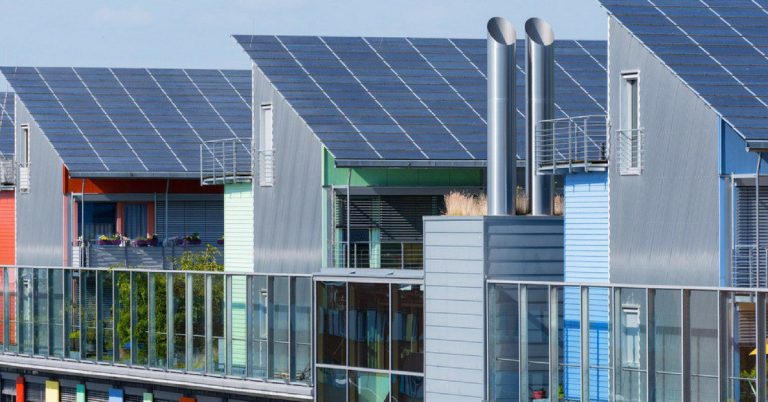
- Green Energy: Solar power, smart/energy-efficient streetlights, underground wiring.
- Water Management: Smart metering, wastewater recycling, rainwater harvesting, reducing water loss.
- Waste Management: Better systems, citizen awareness, fines for littering.
- Open Spaces: Developing parks, gardens, & maintaining green areas.
- Mobility & Transport:
- Intelligent Transport System: Real-time traffic management, smart bus stands, app-based connectivity.
- Pedestrian/Cycle Friendly: Walkable paths, cycle tracks, non-motorized transport promotion.
- Electric Vehicles: Promoting EVs, charging stations, electric buses.
- Smart Parking: Solutions for efficient parking.
- Digital & Governance:
- Connectivity: Robust Wi-Fi zones, digital signage, IT infrastructure.
- E-Governance: Digital IDs for citizens, online access to services, GIS platforms for departments.
- Citizen Engagement: App-based services, platforms for feedback, citizen participation.
- Social & Economic:
- Inclusivity: Affordable housing, inclusive development.
- Health & Education: Telemedicine kiosks, smart libraries.
- Safety: Digital surveillance, disaster management, early warning systems.
Implementation Strategy:
- Phased Approach: Gradual rollout with citizen education.
- Partnerships: Collaborating with private sectors for tech & implementation.
- SPV (Special Purpose Vehicle): Creating dedicated bodies (like New Town Kolkata Green Smart City Corp) to manage projects.
By focusing on these areas, Kolkata aims to create a more liveable, sustainable, & efficient urban environment, with New Town serving as a testbed for many of these smart solutions.
Is Kolkata a smart city?
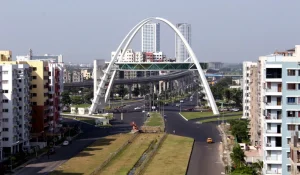
Yes, Kolkata has a designated smart city area in its New Town (or Rajarhat), focusing on modern infrastructure, green spaces, and digital services, although the broader Kolkata Municipal Corporation area isn’t fully branded as a single “Smart City” like some others under the national mission. New Town is known for its smart library, eco-friendly design, and integrated smart living features, making it a key smart city development in West Bengal.
Key Aspects of Kolkata’s Smart City Development:
- New Town (Action Plan Area): This planned satellite city is the hub for smart initiatives, featuring smart streetlights, digital kiosks, integrated command centers, and green building norms.
- Digital Infrastructure: Focus on e-governance, smart transport, and data-driven urban management.
- Sustainability: Emphasis on green spaces, eco-friendly design, and efficient resource management.
- Broader Initiatives: While New Town leads, the larger Kolkata metropolitan area benefits from smart solutions in water, sanitation, and connectivity, often through state and central projects.
In essence, Kolkata is a developing smart city, with New Town leading the charge in modern urban planning and technology integration.
How to convert a city into a smart city?
As part of a smart city, it’s crucial to actively involve residents in the change and smooth running of their city, using digital participation technology and a connected service. Implementing these co-creation tools enables us to gather their ideas, better understand their needs and involve them in decision-making.
How do you build a smart city?
Making a smart city involves a holistic, citizen-focused approach, integrating smart infrastructure (IoT, data, connectivity) with efficient urban planning (transport, energy, waste, safety), driven by a clear vision, collaboration (government, tech, community), and funded by smart financing, piloting technologies, and focusing on sustainability and equitable outcomes for citizens. It’s about using data and connected tech to improve services, resource use, and quality of life, not just adding gadgets.
Key Steps to Building a Smart City:
- Develop a Vision & Strategy:
- Assess Needs: Understand current infrastructure, challenges, and future goals.
- Define Objectives: Set clear, measurable goals for areas like transport, energy, safety, and governance.
- Engage Stakeholders: Involve residents, businesses, tech experts, and local government for buy-in and input.
- Build Smart Infrastructure:
- Connectivity: Implement high-speed internet, 5G, and IoT networks.
- Data Platforms: Create secure systems for collecting, analyzing, and sharing city data.
- Smart Grids: Optimize energy distribution with smart meters and renewable integration.
- Implement Key Smart Solutions:
- Smart Mobility: Intelligent traffic systems, optimized public transport, bike-sharing.
- Smart Energy: Energy-efficient buildings, smart streetlights, renewable sources.
- Smart Waste: Sensors to optimize collection routes and reduce overflows.
- Public Safety: Smart surveillance, emergency response, and crowd monitoring.
- Water Management: Sensor-based monitoring for efficiency and leak detection.
- Foster Innovation & Governance:
- Pilot Projects: Test new tech (like autonomous shuttles, data hubs) in limited areas first.
- Data Policies: Establish rules for data privacy, security, and sharing.
- Collaboration: Partner with companies, universities, and NGOs.
- Focus on People & Sustainability:
- Citizen-Centric Design: Ensure solutions improve daily life, enhance social equity, and encourage participation.
- Sustainability: Aim for lower carbon footprints, resource optimization, and efficient urban planning.
The Core Idea: Data & Connectivity
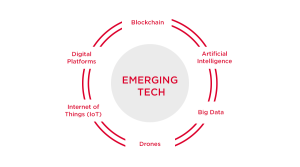
At its heart, a smart city uses Information & Communication Technologies (ICT), especially the Internet of Things (IoT), to connect devices, collect real-time data (traffic, air quality, energy use), and use that data with AI and analytics to make better decisions, improve services, and create a more efficient, sustainable, and liveable urban environment.
What are the 4 pillars of smart city in India?
To provide for the aspirations and needs of the citizens, urban planners ideally aim at developing the entire urban eco-system, which is represented by the four pillars of comprehensive development-institutional, physical, social and economic infrastructure.
To know more just click to reference link: https://www.google.com/search?q=How+To+Make+Kolkata+a+Smart+City%3F&rlz=1C1CHBD_en-GBIN1169IN1169&oq=How+To+Make+Kolkata+a+Smart+City%3F&gs_lcrp=EgZjaHJvbWUyBggAEEUYOTIHCAEQIRigATIHCAIQIRigATIHCAMQIRigATIHCAQQIRiPAjIHCAUQIRiPAtIBCTE1NjkxajBqN6gCALACAA&sourceid=chrome&ie=UTF-8