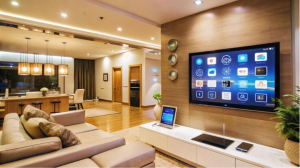



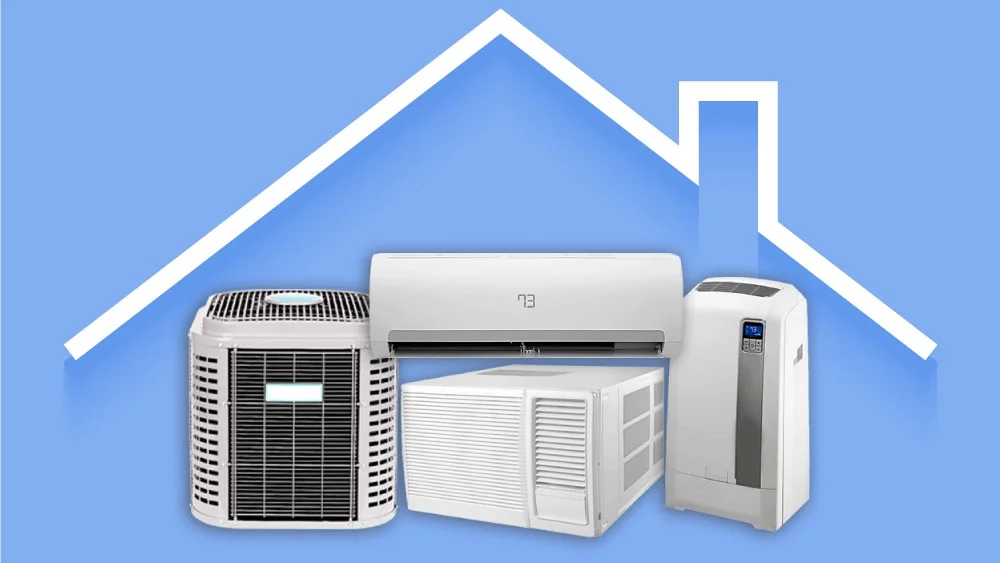
Suitable air conditioners for smart homes are defined by built-in Wi-Fi, app control (e.g., ThinQ, MirAIe), voice assistant compatibility (Alexa/Google Assistant), and intelligent energy management. Top models for 2025-2026 feature inverter technology, 4-way swing, AI-driven adaptive cooling, and in-built air purification.
Here are the top-rated smart air conditioners based on recent, high-performance, and Wi-Fi-enabled models:
Top Smart AC Models:
- Panasonic 1.5 Ton 5-Star Wi-Fi Inverter Split AC (2025/2026 Model – CS/CU-NU18AKY5WX): Considered a leader in smart features, it is India’s first Matter-enabled AC, offering 7-in-1 convertible modes, AI-driven cooling (True AI), and superior air purification.
- LG 1.5 Ton 5-Star AI+ Dual Inverter Split AC (2025 Model – US-Q19YNZE3): Known for its AI-convertible 6-in-1 technology, LG ThinQ connectivity, and 4-way swing, it adjusts cooling based on room capacity and external heat.
- Haier 1.6 Ton 5-Star Hexa Inverter Smart Split AC (2025 Model – HSU19P-JYFG5BN-INV): Features a built-in air purifier, 7-in-1 convertible modes, and 20-meter air throw.
- Voltas 1.5 Ton 5-Star 185V Vertis Smart Elite Gold (2024/2025): A strong choice for IoT connectivity, 5-stage adjustable mode, and high ambient cooling.
- Lloyd 1.5 Ton 5-Star Stellar WiFi Inverter Split AC (2025 Model): Features direct voice commands, in-built air purifier, and ambient lighting.
- Samsung 1.5 Ton 5-Star AI Inverter Split AC (Bespoke AI): Features Wi-Fi, AI Auto Cooling, and 5-step convertible mode.
Key Features of Smart ACs:
- App Control: Control temperature, set schedules, and monitor power consumption from anywhere via smartphone apps (LG ThinQ, Panasonic MirAIe, Haier Intelli Smart).
- Voice Control: Full integration with Amazon Alexa and Google Assistant for hands-free operation.
- AI Cooling & Sensors: Automatically analyzes room occupancy and environmental conditions to optimize cooling and energy efficiency.
- Convertible/Expandable Modes: Allows users to adjust the tonnage (e.g., 5-in-1, 7-in-1) based on the number of people in the room to save energy.
- Self-Clean Technology: Removes dust and odors automatically (e.g., Frost Self-Clean), reducing maintenance.
Factors for Choosing:
- Room Size: 1-ton for rooms up to 120 sq ft; 1.5-ton for 120-180 sq ft; 2-ton for rooms above 180 sq ft.
- Energy Rating: 5-star models offer the best energy efficiency (35-60% savings).
- Durability: Look for 100% copper condenser coils, which enhance durability and efficiency.
- Budget: 1.5-ton 5-star smart models typically range from ₹38,000 to ₹55,000.
What is the 3 minute rule for air conditioners?
The 3-minute rule is a simple but important guideline: wait at least three minutes after turning your air conditioner off before turning it back on. That short pause gives the refrigerant pressure in the system time to equalize.
Which AC is suitable for a home?
The best AC for your home depends on room size, budget, and features, but Split Inverter ACs (like Daikin, LG, Panasonic, Voltas) are highly recommended for energy efficiency (5-star rating) and consistent cooling, while Window ACs (like Voltas, Blue Star) are great budget-friendly options for single rooms. For whole-home cooling, Central AC is most efficient but costly; prioritize inverter technology and correct tonnage (e.g., 1.5 Ton for 120-180 sq ft) for savings.
Top-Rated Brands & Types:
- Best Overall/Premium: Daikin, LG (Dual Inverter), Panasonic (Wi-Fi Inverter) offer excellent efficiency and features.
- Best Value: Voltas, Blue Star provide great features at lower price points, often competing well with premium brands.
- Energy Efficient: Look for 5-star inverter models from any top brand for the best electricity savings.
- Budget/Single Room: Window ACs (Voltas, Blue Star) are cheaper and easy to install.
Key Factors to Consider:
- Room Size (Tonnage):
- 1 Ton: ~100-120 sq ft
- 1.5 Ton: ~120-180 sq ft (most common for bedrooms)
- 2 Ton: ~180-250 sq ft (larger rooms/hall).
- AC Type:
- Split: Silent, aesthetic, great for medium/large rooms.
- Window: Compact, budget-friendly, for small rooms/single spaces.
- Inverter: Adjusts compressor speed for huge energy savings and stable temp (recommended).
- Energy Rating: Higher star ratings (5-star is best) mean lower power consumption and bills.
- Features: Look for Wi-Fi, sleep mode, turbo cooling, anti-bacterial filters, and convertible modes for flexibility.
Quick Recommendation:
For most homes, a 1.5 Ton, 5-Star Inverter Split AC from LG, Daikin, or Voltas offers the best balance of performance, features, and long-term running cost.
What is the difference between smart AC and normal AC?
What’s the difference between a smart air conditioner and other air conditioners? The connectivity of smart air conditioners allows them to be controlled through mobile devices, voice assistants, and other smart devices, allowing for more flexible and personalised use.
Can I turn my AC into a smart AC?
You can also access features like Smart Home/Away, which automatically adjusts the temperature based on your occupancy, and Ecobee Energy Reports, which show you how much energy you save and how to save more. This app works with Sensibo Sky, a smart device that turns any AC into a smart AC.
How many hours can we use AC run continuously?
Type of AC Unit >>
| AC Type | Runtime Limit | Cooling Power |
|---|---|---|
| Portable | 8-12 hours | 2-4 kW |
| Window | 8-12 hours | 2-6 kW |
| Split System | 16-24 hours | 2.5-9 kW |
| Central AC | 24+ hours | 10-20 kW |
What is the 20 rule for air conditioners?
The “AC 20-degree rule” refers to a proposed Indian government initiative to mandate a temperature range of 20°C to 28°C for air conditioners, aiming to reduce energy consumption, lower electricity bills, and combat climate change by preventing overcooling, which significantly strains the power grid. While the general concept of setting ACs higher (like 24-26°C) for efficiency is globally accepted, this specific Indian policy focuses on a 20°C minimum to curb excessive use, though exact enforcement details are still being worked out, with enforcement more likely in public spaces initially.
Key Aspects of the Rule:
- Temperature Range: ACs would be restricted from cooling below 20°C (68°F) and heating above 28°C (82°F).
- Primary Goal: To save electricity, reduce India’s peak power demand, and lower carbon emissions.
- Energy Savings: Setting the AC to 20°C instead of 16°C can save significant power, with some experts suggesting a 1°C increase can save about 6% of electricity.
- Health & Comfort: The rule aligns with recommendations for comfort (often 24-26°C with fans) and can prevent respiratory issues from sudden temperature shocks.
- Enforcement: The government plans to monitor compliance, with potential implementation in commercial spaces before residential areas, and possibly allowing some flexibility for different regions.
Why the 20°C Minimum?
- Prevents Overcooling: Many people set ACs much lower (e.g., 16-18°C), using far more energy than needed.
- Reduces Grid Stress: Lower settings cause massive power spikes during hot summers, stressing the grid.
- Global Alignment: Similar energy-saving guidelines exist in other countries, though often as recommendations rather than strict limits.
Practical Tips to Stay Comfortable:
- Use Fans: Ceiling fans create a cooling effect, making higher AC temperatures feel comfortable.
- Smart Thermostats: Programmable thermostats can help manage settings efficiently.
- BEE Star Ratings: Buy 5-star rated ACs for better energy efficiency.
Which is the no. 1 brand for AC in India?
There isn’t one single “No. 1” AC brand, as top choices like Daikin, Voltas, and LG often lead in different categories, with Daikin known for premium efficiency, Voltas for budget reliability and service, and LG for smart features, but brands like O General, Blue Star, and Samsung are also highly rated for performance in India’s varied climate.
Top Contenders & Their Strengths:
- Daikin: Globally leading, known for high energy efficiency, superior cooling, and strong service network.
- Voltas: Tata Group brand, highly popular for budget-friendly options, performance in extreme heat (up to 52°C), and excellent service.
- LG: A household name with durable, efficient units featuring Dual Inverter Tech, Wi-Fi, and smart features.
- Blue Star: Known for premium build, turbo cooling, advanced air filtration, and strong market presence.
- O General: A premium choice, built for reliability and steady cooling in harsh conditions, ideal for extreme heat zones.
- Samsung: Offers smart features like WindFree AI Cooling, humidity control, and smart home integration.
How to Choose:
Consider your priorities: for overall best performance and efficiency, Daikin or O General; for budget and service, Voltas; for smart features, LG or Samsung; and for general reliability, Blue Star.
Which is better, split AC or inverter AC?
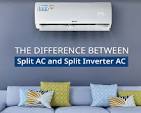
An inverter AC is generally better for long-term savings, energy efficiency, consistent cooling, and quieter operation due to its variable-speed compressor, making it ideal for frequent, long use; a standard (non-inverter) split AC has a lower initial cost, making it better for occasional use or tight budgets, but costs more to run and has temperature fluctuations.
Inverter AC (Better for Long-Term Use):
- Pros: Highly energy-efficient, saves on electricity bills over time, provides consistent temperature, quieter, longer lifespan, better for continuous use.
- Cons: Higher upfront cost, potentially more complex/costly repairs.
Standard (Non-Inverter) Split AC (Better for Budget/Occasional Use):
- Pros: Lower initial purchase price, effective cooling, good for occasional use, simpler maintenance.
- Cons: Higher energy consumption, temperature swings (cycles on/off), can be noisier, shorter lifespan than inverters.
How to Choose:
- Choose Inverter if: You use your AC daily/for long hours, prioritize energy savings and quietness, and can afford the higher upfront cost.
- Choose Standard Split if: Your budget is limited, you use AC only occasionally, and don’t mind some temperature fluctuation or higher energy bills.
What should I consider before buying an air conditioner?
Here are some aspects to look at :
- Room Size and Cooling Capacity (Tonnage) of Air Conditioners. Make sure the AC’s cooling capacity matches the size of the room. …
- Type of Air Conditioner based on Mounting Space. …
- Energy Efficiency and Sustainability.
What are the disadvantages of smart AC?
Dependence on Internet Connectivity. Smart AC systems rely on a stable internet connection to function properly. If your internet goes down or is unreliable, you may lose access to remote control features and other smart functionalities. This could be a significant inconvenience if you rely heavily on these features.
Which AC type is better for bedrooms?
Product Spotlight: Ductless Mini Splits And Central AC:
If you are trying to decide between ducted and ductless, bedrooms often lean ductless for sound performance. A quiet indoor head with a true sleep mode and a variable compressor meets most bedroom requirements without duct noise.
How do I know if my AC is smart?
How do I know if my air conditioner is smart? A smart AC will have Wi-Fi connectivity, app support, or compatibility with voice assistants like Google Assistant or Alexa.
So, Before buying an AC you can consider the above article. Click on reference link: https://www.google.com/search?q=Suitable+Air+Conditioners+for+Smart+Homes&rlz=1C1CHBD_en-GBIN1169IN1169&oq=Suitable+Air+Conditioners+for+Smart+Homes&gs_lcrp=EgZjaHJvbWUyBggAEEUYOTIHCAEQIRigAdIBCTE3NTYxajBqN6gCCLACAfEFqwW6QYkIvDY&sourceid=chrome&ie=UTF-8