

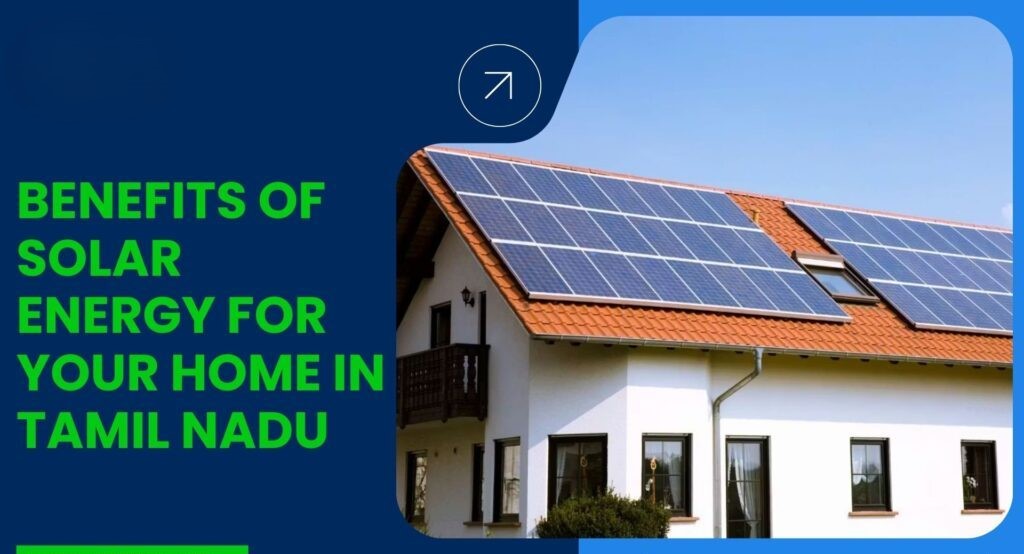
Effective residential solar energy usage involves installing photovoltaic (PV) panels, solar water heaters, and implementing passive design to reduce electricity bills. Key strategies include using grid-tied systems for net metering, incorporating battery storage for nighttime, using energy-efficient appliances, and utilizing solar for heating water.
Key Strategies for Effective Residential Solar Usage:
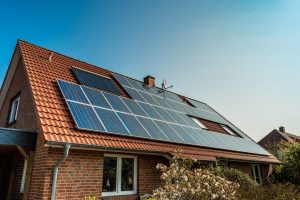
- Solar Rooftop Systems (PV Panels): Convert sunlight directly into electricity to power home appliances, effectively reducing electricity bills. A 5kW system is often sufficient for residential needs.
- Solar Water Heaters: Utilize solar thermal panels to heat water, reducing dependency on electric geysers.
- Battery Storage Solutions: Store excess energy generated during the day for use at night, reducing reliance on the grid and improving energy independence.
- Net Metering: Feed excess electricity back into the utility grid, often earning credits that significantly decrease utility bills.
- Passive Solar Design: Orient the house to maximize sunlight, using building materials that collect and store solar heat for natural heating and cooling.
Top Applications of Solar Energy in Homes:
- Lighting: Using solar-powered indoor/outdoor LED lighting.
- Heating and Cooling: Solar-powered ACs and HVAC systems.
- Appliances: Powering energy-intensive appliances like water pumps, washing machines, and solar clothes dryers.
- Pool Heating: Utilizing solar collectors to heat swimming pools.
Maximizing Effectiveness:
- Optimal Placement: Ensure panels are installed on rooftops with ample, uninterrupted daily sunlight, avoiding shade.
- Maintenance: Clean panels periodically to remove dust and dirt to maintain efficiency, with minimal maintenance needed.
- Energy Efficiency: Use energy-efficient appliances to make the most of the generated solar energy, as recommended by http://www.geosolar.in
- Professional Installation: Work with professionals to customize the system to the home’s specific energy needs.
These approaches, combined with available government subsidies and incentives, make solar energy a cost-effective and sustainable choice for modern homes.
Solar energy is renewable and plentiful. As the cost of using solar to produce electricity goes down each year, many Americans are increasingly switching to solar. Now, there are over a million solar installations across the country. Below are additional benefits of switching to solar electricity.
Cost Savings>>
Financial returns and lower monthly utility bills are major incentives for going solar. The exact savings you will see with solar depends on the following:
- Electricity consumption
- Solar energy system size
- Whether you purchase or lease your system
- Direct hours of daily sunlight
- Size and angle of roof
- Local electricity rates.
A solar electric system provides an opportunity for anyone who is looking to reduce monthly utility bills and make a long-term, low-risk investment.
Increased Home Value>>
Solar panels are viewed as upgrades, like a renovated kitchen or a finished basement, so purchasing a solar energy system will likely increase your home’s value. Studies show that homeowners pay a premium for a solar home; one study by Lawrence Berkeley National Laboratory showed that on average, solar increased the value of a home by about $15,000. Although market factors like electricity rates and system size may impact the size of the premium, solar homes can sell for more than homes without PV.
Solar Works Everywhere>>
The solar resource of the United States is enormous. In fact, just one hour of noontime summer sun is equal to the annual U.S. electricity demand. Most states in the United States have good-to-excellent solar resource. Even places with relatively low solar resources, such as the Pacific Northwest and Alaska, can experience cost savings, and have similar solar resources to countries that have widely developed solar PV, like Germany.
The Benefits of Using Solar Power Systems for Home:
Published in January 12, 2026
| Sr. No. | Table of Contents |
|---|---|
| 1 | Components of the Solar Power System |
| 2 | Factors to Look Before Installing Solar Power System |
| 3 | Rules to Follow When Choosing a Solar Panel or Inverter |
| 4 | Benefits of Adopting Solar Power at Home |
| 5 | Conclusion |
The world is pacing at a great speed and is showing considerate desire in terms of the shift to renewables. More and more industries are adopting methods and techniques which are pushing towards renewable energy. They are aiming towards a greener and safer future with environmentally friendly activities and outputs. Home essentials come under the scanner more often as electricity is the most vital essentials of today’s household. The complete household comes to a standstill without electricity, and thus, various ways are induced to maintain its continuous flow.
The power of the sun, if channelized well, can be used to power up TVs, ACs, heaters, computers, microwave ovens, and various other devices without interruptions and, at the same time, provide you with a great opportunity to save the monthly electricity cost. Making an intelligent and diligent investment in utilizing solar energy is the future. It also helps in reducing the carbon footprint, the dependency on centralized power supply, and much more.
Solar power is one of the popular types of alternate electricity source to be installed at homes. It is a highly reliable and sustainable power resource that can effectively run any and every device in your home.
Components of the solar power system
Solar Photovoltaic Panels:
These are the essential parts of a solar power system that helps commercial and residential spaces to utilise natural sunlight as a useful resource. They are the most visible element of your system and, thus, the most familiar one. Solar panels generate DV electricity as the sunlight stimulates electrons to move through solar cells that are in-built into the solar panels.
Inverters:
Solar Inverters are a crucial part of solar technology. It converts the DC energy generated by the solar panels into AC current, which can then be used by all of the household appliances. These inverters transform the energy output from solar panels into consumable electricity form used in residential or commercial properties. The inverter is an essential piece of equipment that works constantly throughout the lifetime of the solar system, so it tends to be the piece most likely to have faults. The various types of solar inverters include:
- Off-Grid Inverters:
These inverters are used in remote systems where the solar inverter is fed DC power from a battery panel. The said battery panel is charged by solar panels.
- Grid-Tie Inverters:
These inverters got their name from the fact that they are associated with the grid. They feed power in the electricity grid by corresponding phase and frequency.
- Battery Backup Inverters:
These are special types of inverters that are particularly designed to draw energy from a battery. The charge of the battery is preserved by using an onboard charger, and additional energy is transferred to the grid.
- Micro-Inverters:
These are modern inverters in the solar industry. They are small, compact size and portable with a lot of performance. They are well-equipped with all the features of any central inverters.
Racking:
Mounting or racking is the third most important component of the solar system. This is the thing that attaches your panels to your roof. Racking needs to be well thought of and of quality equipment from trusted brands. It should be ensured that correct procedures are followed, and the performance and safety of the solar energy system and family are guaranteed.
Batteries:
Batteries are equipment that is used to store energy generated during the day to be used throughout the night. Solar Battery technology is fastly developing into a more feasible option for those who primarily use their energy in the evenings. The value of installing batteries in the solar system depends on a range of factors like power requirement, usage, etc.
Factors To Look Before Installing Solar Power System
Before installing the solar system in your home, one should be aware of various factors and considerations of their household. These factors help in making the right choice for your house. These factors are:
Basic Considerations:
Calculate the approximate energy requirements and how much you are expecting to cover with a solar array.
- The monthly and annual energy consumption.
- How to optimize the electrical wiring of the house?
- How much peak sunlight can you expect for the region?
- Roof direction
- Minimal shading
Solar Panel Requirement:
It’s important to see how much solar panel coverage will you need to almost completely meet the needs of your power consumption. This will estimate the number of solar panelling required in your household.
It depends on:
- the amount of sunlight one receives
- the complete energy consumption.
Overall Equipment Requirements:
A solar system consists of:
- Solar Panels
- Inverter
- Battery
Rules to follow when choosing a solar panel or inverter
- Go for a renowned and trusted brand
- Try to buy all three equipment from one brand
- Cost: Even though prices have steadily been dropping as the home-based solar energy market expands, PV arrays are still a significant investment. For an accurate estimate of solar pricing for your home, consider using an online solar calculator.
- Warranty: Most solar systems provide warranties like:
- 10 years
- 15 years
- 25 years
Benefits of adopting solar power at home
Save Substantial Money:
Its installation might cost you a huge amount, but it can be treated as a worthy investment and helps you save a huge amount of money in the long run. People can effectively save on monthly electricity costs. Switching to solar electricity aids in depleting your dependence on grid-based electricity, where the solar panels directly allow you to generate electricity with the help of the sun. This will also result in increasing your monthly savings significantly. Thus, one should aim for an off-grid set-up to completely eliminate the electricity costs.
Increase The Property Value:
Equipping one’s home with a solar power system drives up the property value and offers an attractive selling point to market the property. Investing in solar power systems not only regains the initial cost of the solar systems while selling, but they also receive a premium that will increase the return on their investment.
Freedom From Centralised Grids:
The dependency on the centralised grid automatically decreases once you install solar power systems. With so much climatic upheaval and inconsistent power supply, making your own resources definitely helps you in the longer run. Solar power also provides a secure future investment. Addition of a battery backup to your solar power system will provide you with additional independence.
Environment Friendly:
Fossil generated resources are very harmful to the environment, and grid-based electricity is definitely disastrous for the environment. Utilising solar energy is definitely a renewable energy source, and it is beneficial for the environment. Solar power is completely clean and produces no air pollution, no water pollution, and no greenhouse gas effects. As it is carbon-free, it releases no harmful emissions when electricity is being produced by solar panels.
Cost-effective:
Solar power systems are extremely durable and are easy to maintain. Their lifespan is of 25 years and they just require occasional dusting to remove dirt, leaves, or any other fragments.
Conclusion
Solar power is an environment-friendly solution that will help you save your electricity bill and also reduce your carbon footprints. Livguard is one of the pivotal names in changing the face of the solar industry with its innovative technology. Through constant innovation and technology up-gradation, we have been successful in delivering affordable energy renewable products for the betterment of humanity and the environment.
Advantages of Solar Rooftops for Home>>
The demand for stable and uninterrupted electricity is soaring to new heights. No matter the need, it’s an integral part of our daily lives- be it for charging mobile devices, running personal computers and home appliances, lighting fixtures, etc.
Nearly everything we use daily needs electricity to run. Naturally, this translates into the need for readily available power any time of the day. As such, the cost of electricity is growing too. This raised the demand for clean, alternative sources of electricity. And what could be better if you don’t need to pay for using the energy because it’s available in nature in abundance?
Welcome to solar power – one of the most popular forms of renewable energy. The radiant light and heat from the mighty sun can accommodate the growing energy demands of consumers and businesses across the globe.
The clean energy source is seeing wide-ranging adoptions, and thankfully, it paves the way for a green world and a future liveable for future generations. This article will cover some crucial points related to solar energy, with most of the focus drawn towards solar rooftops and how they can be beneficial for an average homeowner.
What are solar rooftops and how does it work?
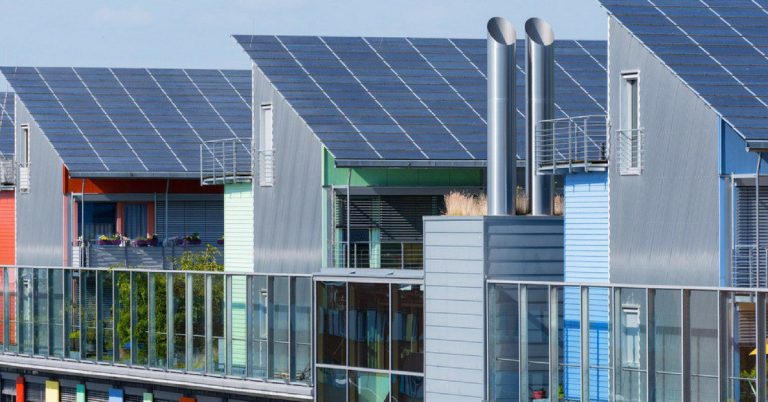
As the name suggests, solar rooftops are solar panels mounted on the top of buildings – be it commercial, residential, or institutional. A solar panel is an assembly of PV (photo-voltaic) cells that are mounted in a frame.
The working of solar panels is interesting. First of all, the sunlight hits the panels on a rooftop. It then converts particles of sunlight into DC electricity. A solar inverter now changes the DC electricity into AC. The generated electricity is then sent through the wires into homes which power appliances.
Why shift to Solar Power?
Low environmental impact>>
Traditional energy sources create air and water pollution and are hazardous to the environment since they produce greenhouse gases. Pollution alone kills so many people in the world globally. Although some man-made environmental disasters are irreversible, it’s time to think about a clean and green future to control the impact of pollution and make the planet livable for us and future generations. Solar energy is clean and is pollution-less and thus stands as a highly relevant energy source for the modern world.
The non-perishable nature of renewable energy>>
Traditional power sources are non-renewable, which means they can become short in supply and at one point, they will cease to exist. On the other hand, the sun is a renewable resource, meaning it will never go short in supply. So, harnessing solar power for a predictable and confident future is the need of time.
Save on utility bills and stay unaffected by their rising price>>
One of the most powerful reasons people are readily opting for solar energy is that it can bring considerable savings on monthly electricity bills. Just install the solar panels and at a place on the roof that receives enough sunlight. Slowly you will start to see huge savings over time. Also, since energy bills could rise, setting up rooftop solar panels allows one to continue generating free electricity without being dependent on external sources.
Reliable power source>>
Solar energy can be stored so that you can use the stored electricity to address the energy demands during the night or when the sun is not shining brightly.
Low maintenance cost>>
Solar rooftop panels require low maintenance, or they could run for years without noticeable maintenance. All you need to do is wash off the dust and dirt only a few times a year. And for that, you may need professional help.
Increase the value of property>>
As people are growing aware of the value of solar energy, its demand is constantly rising. For this reason, homes that are equipped with solar rooftop panels fetch the better market value.
Avail the incentives>>
Based on where you live, the cost of installation of a solar system can go down significantly through incentives and rebates. Before installing a solar rooftop panel, do your research and consider consulting with an expert to understand whether you qualify for incentives and if so, what are the steps to avail them.
The payback period of a solar system could be 7 to 10 years. Which means, after that period, all you get is free electricity for the life of the installed panels, which could be as much as 25 years or more.
To know more just click the reference link: To know more just click the reference link: https://www.google.com/search?q=Effective+Use+of+Solar+Energy+in+Resendential+Houses&rlz=1C1CHBD_en-GBIN1169IN1169&oq=Effective+Use+of+Solar+Energy+in+Resendential+Houses+&gs_lcrp=EgZjaHJvbWUyBggAEEUYOTIJCAEQIRgKGKABMgkIAhAhGAoYoAEyCQgDECEYChigATIJCAQQIRgKGKABMgkIBRAhGAoYoAHSAQkyNzAwN2owajeoAgiwAgHxBZYOtrjwDFcS&sourceid=chrome&ie=UTF-8