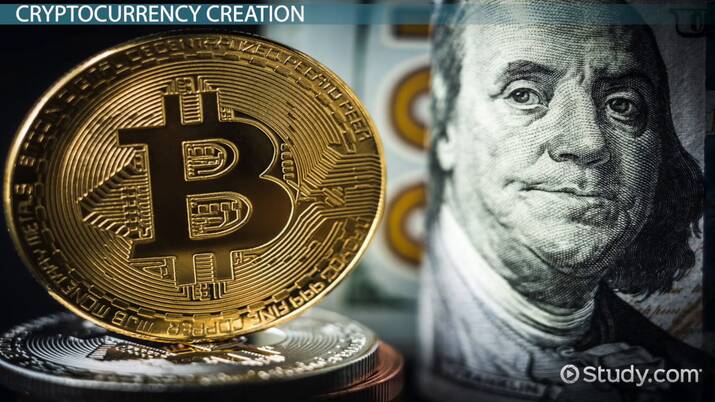




Yes, individuals with unaccounted (“black”) money are increasingly using cryptocurrencies to gain advantages such as faster, cross-border transfers and the potential to launder funds by bypassing traditional banking regulations. While only a small percentage of total crypto transactions are illicit, billions of dollars in “dirty money” are still moved annually through crypto exchanges, mixers, and peer-to-peer (P2P) platforms.
How Crypto Provides “Extra Benefits” for Black Money:
- Circumventing Traditional Finance: Crypto enables the conversion of cash into digital assets, which can then be transferred internationally in minutes, bypassing the scrutiny of traditional banks.
- Circumventing traditional finance (often referred to as TradFi) involves bypassing centralized, heavily regulated financial intermediaries—such as banks, brokers, and clearinghouses—to perform financial activities like lending, borrowing, trading, and asset management directly. This shift is primarily driven by technology, including blockchain, peer-to-peer (P2P) platforms, and fintech solutions, aimed at offering faster, more accessible, and cheaper alternatives.
- Key Mechanisms for Bypassing Traditional Finance:
- Decentralized Finance (DeFi): Utilizing blockchain-based smart contracts to automate financial services without intermediaries. Users have full control over their funds through digital wallets.
- Peer-to-Peer (P2P) Lending: Platforms connecting borrowers directly with lenders, bypassing banks to offer higher returns for lenders and lower costs for borrowers.
- Stablecoins & Crypto Payments: Moving funds across borders instantly without correspondent banking delays, providing 24/7 access to liquidity.
- Crowdfunding: Raising capital directly from a large number of people online, bypassing traditional venture capital or bank loans.
- Crowdfunding is a method of raising capital for a project, business, or cause by collecting small monetary contributions from a large number of people, typically via online platforms. It acts as an alternative to traditional bank loans or venture capital, often used by entrepreneurs to validate ideas, raise funds, and build a customer base simultaneously.
- Key Types of Crowdfunding
- Reward-Based: Backers receive a non-monetary reward, such as early access to a product (e.g., Kickstarter, Indiegogo).
- Equity-Based: Investors contribute money in exchange for shares or ownership in a company.
- Donation-Based: Individuals contribute to a cause or personal project without expecting any return, often used for charity or medical needs (e.g., GoFundMe).
- Debt-Based (Peer-to-Peer Lending): A crowd of investors lends money that must be repaid with interest, acting as an alternative to bank loans.
- How It Works
- Campaign Setup: A project creator defines a funding target, timeline, and pitch on a platform.
- Promotion: The campaign is promoted via social media and personal networks to attract backers.
- Funding Goal: Many platforms use an “all-or-nothing” model, meaning funds are only received if the goal is met.
- Advantages and Disadvantages
- Benefits: Quick access to capital, market validation, and reduced reliance on traditional, rigid, or high-equity financing.
- Risks: Campaigns demand heavy marketing efforts, success is not guaranteed, and publicly sharing an idea can alert competitors.
- Embedded Finance: Integrating financial services (payments, lending) directly into non-financial platforms (e.g., a SaaS platform allowing vendors to collect payments).
- Motivations for Circumvention:
- Financial Inclusion: Providing services to “unbanked” populations who lack access to traditional banking services.
- Reduced Costs and Time: Lower fees and near-instant settlement times compared to traditional bank transfers, particularly for international payments.
- Autonomy: Users maintain direct control over their assets without relying on central authorities.
- Transparency: All transactions are recorded on public, immutable blockchain ledgers, reducing the potential for hidden practices.
- Risks Associated with Bypassing Traditional Finance:
- Security Vulnerabilities: DeFi platforms can be targeted by hackers, and smart contracts may have bugs.
- Regulatory Uncertainty: The lack of oversight can lead to a higher risk of fraud, money laundering, and limited recourse for users if funds are lost.
- Volatility: Cryptocurrencies used in alternative systems can be highly volatile.
- Emerging Trend: Hybridization
- Instead of entirely eliminating traditional players, a “hybridization” is occurring, where traditional financial institutions (such as banks) are beginning to integrate DeFi solutions and stablecoins to improve efficiency while maintaining regulatory compliance.
- Layering and Anonymity: Criminals use “mixers” (services that blend crypto from multiple users) and “chain-hopping” (switching between different cryptocurrencies) to hide the origin of funds.
- Real Estate Laundering: Digital assets are increasingly used as a “cash replacement” in real estate deals, allowing high-net-worth individuals to channel illegal funds into luxury properties.
- Offshore Exchanges: Many users turn to foreign exchanges with weak or non-existent KYC (Know Your Customer) policies to move money, although this is becoming harder as global regulators tighten controls.
- Yes, crowdfunding is legal in India, but its legality depends on the model used. Donation-based, reward-based, and peer-to-peer (debt) lending are legal and widely used. However, equity-based crowdfunding (offering company shares to the public) is currently illegal and considered “unauthorized and unregulated” by SEBI.
- Key Aspects of Legal Crowdfunding in India:
- Donation-Based: Common for charitable causes, medical emergencies, and NGOs. No return is expected from the donor.
- Reward-Based: Contributors provide funds in return for a reward, such as a product or service. Often used by startups.
- Debt-Based (P2P Lending): Regulated by the RBI. Peer-to-peer platforms match lenders with borrowers. The money must be paid back with interest.
- Platforms: Prominent platforms operating legally include ImpactGuru, Give.do, and others, generally for non-equity fundraising.
- Regulations: While donation and reward crowdfunding are relatively unregulated, they must comply with general Indian laws regarding online fundraising and donations.
- What is Illegal: Equity-based crowdfunding, where startups or businesses offer ownership in their company in exchange for funds from the public, is unauthorized and prohibited, with SEBI warning against it.
Key Risks and Evolving Countermeasures:
- Traceability of Blockchain: While often considered anonymous, public blockchains leave a digital trail that law enforcement is increasingly able to track.
- Stricter Regulations: Governments are actively clamping down, with many countries, including India, imposing a 30% tax on crypto gains and 1% TDS on transactions to track them.
- Exchange Compliance: Major exchanges are now required to comply with Anti-Money Laundering (AML) laws and report transactions to authorities, reducing the “safe haven” aspect of crypto.
- High Risk of Scams: The unregulated nature of some crypto spaces means people trying to launder money often fall victim to scams themselves.
While crypto offers faster ways to move hidden wealth, the increased scrutiny and technological capability of law enforcement are making it significantly riskier and harder to use for long-term concealment.
Are people still getting rich with crypto?
According to the 2025 Crypto Wealth Report from Henley & Partners, there were over 145,000 Bitcoin millionaires in the world last year. Given Bitcoin’s recent slide in price to the $70,000 price level, that figure is likely much lower this year.
What if I put $1000 in Bitcoin 5 years ago?
Taking a buy-and-hold position in Bitcoin five years ago would have delivered massive returns for investors. As of this writing, Bitcoin is up 962.3% over the period. That means that a $1,000 investment in the token made half a decade ago would now be worth more than $10,620.
What does Bill Gates think of crypto?
Bill Gates has made it clear—he’s not a fan of cryptocurrency. And he’s not just skeptical; he flat-out thinks it has no value. “None,” he told The New York Times in a January interview. That’s a pretty bold stance coming from one of the most successful tech minds in history.
What’s Elon Musk’s favorite crypto?
Dogecoin >>
Elon Musk frequently uses his X platform to express his views on Dogecoin, which has led some to claim that his actions amount to market manipulation because the price of Dogecoin frequently experiences price movements shortly after his tweets.
Do wealthy people invest in crypto?
Cryptocurrency. In theory, Bitcoin and other cryptocurrencies are accessible to anyone with an internet connection and enough dollars to spare to buy a fraction of a coin. And yet, like other investments, crypto ownership is far more common among the wealthy.
Are we expecting a crypto crash?
Recently, traders on the prediction market Kalshi gave implied odds of 78 per cent that Bitcoin would fall below $65,000 this year, which, if borne out, would be an almost 50 per cent fall on Bitcoin’s 2025 all-time high.
To know more just click the reference link: https://www.google.com/search?q=are+people+with+black+money+getting+extra+benefit+from+crypto+%3F&rlz=1C1CHBD_en-GBIN1169IN1169&oq=are+people+with+black+money+getting+extra+benefit+from+crypto+%3F&gs_lcrp=EgZjaHJvbWUyBggAEEUYOTIHCAEQIRiPAjIHCAIQIRiPAtIBCTIxMzA4ajBqN6gCCLACAfEF2inTM-T4sLA&sourceid=chrome&ie=UTF-8