



What are the different types of handsfree?
Understanding the Different Types of Headphones >>
- Over-Ear Headphones (Circumaural) >>
What is the difference between circumaural and over-ear headphones?

Circumaural and over-ear headphones are actually the same thing. “Circumaural” is the technical term for headphones designed with large earcups that fully enclose the ears, resting on the head rather than on the ear cartilage. They offer superior sound isolation and comfort compared to on-ear (supra-aural) models.
Key Characteristics of Circumaural/Over-Ear Headphones
- Comfort: Because they enclose the ear and don’t apply direct pressure to the cartilage, they are generally more comfortable for long listening sessions.
- Sound Quality: Typically feature larger drivers, delivering better, deeper bass and a wider, more natural soundstage compared to smaller alternatives.
- Noise Isolation: Form a natural seal against the head, providing excellent passive noise cancellation.
- Size: They are usually bulkier and less portable, making them less ideal for active on-the-go use.
Comparison with On-Ear (Supra-Aural)
- Circumaural (Over-Ear): Surrounds the ear. Better isolation, higher comfort, better sound, but heavier.
- Supra-Aural (On-Ear): Rests on the ear. Lighter, more compact, but less sound isolation and potentially less comfortable over time.
Circumaural headphones are ideal for home, studio, or office use, especially if you prioritize comfort and sound isolation.
- On-Ear Headphones (Supra-aural) >>
What is supra-aural on-ear?
On-ear headphones – also called supra-aural – are usually of a smaller, lighter design than over-ear models. As the name suggests, they feature soft ear pads of various materials that press quite comfortably onto both ears, instead of fully enclosing them.
- Earbuds>>
What earbuds are the best?
- The Quick Answer
- The In-depth Answer
- Best earbuds for iPhone: Apple AirPods Pro 3
- Best earbuds for Android: Sony WF-1000XM6
- Best noise canceling earbuds on a budget: Sony WF-C710N
- Best earbuds for Samsung: Galaxy Buds4 Pro
- Best budget earbuds: CMF Buds 2 Plus
- Best earbuds for working out and running: Powerbeats Pro 2
- In-Ear Monitors>>
What is an in-ear monitor used for?
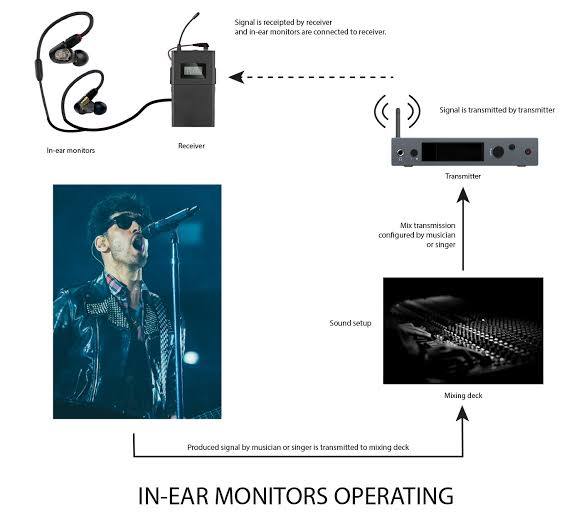
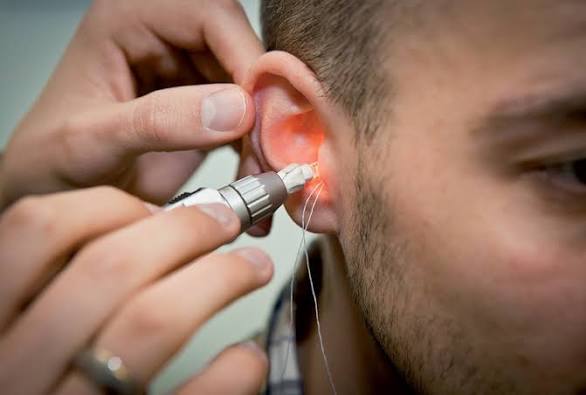
In-ear monitors (IEMs) are specialized earphones used by musicians, singers, and audio engineers to hear a personalized, high-quality mix of their voice and instruments directly on stage or in the studio. They provide superior noise isolation, protecting hearing from loud stage volumes while allowing for mobility and clear communication.
- Wireless (Bluetooth) Headphones>>
Which is better, wireless or Bluetooth headphones?
Which offers superior sound quality? Dedicated wireless headphones typically outperform Bluetooth in fidelity, transmitting uncompressed 24-bit/96kHz audio via lossless RF links. Bluetooth’s maximum 990kbps (LDAC) still loses data versus RF’s 2.25Mbps.
- Noise-Canceling Headphones>>
Do noise cancelling headphones actually work?
Ultimately, the effectiveness of ANC will vary depending on the quality of the headphones and the surrounding noise levels. In quieter environments, such as a library, ANC can still noticeably reduce background noise without any music or sound playing.
- Bone Conduction Headphones>>
Are bone conduction headphones good for?
Bone conduction headphones offer a tangible health benefit by bypassing the eardrum and reducing direct contact with the ear canal. This method of sound transmission alleviates the common pressure felt from traditional earphones, which can lead to discomfort and even temporary hearing loss after prolonged use.
- Closed-Back Headphones>>
What is a closed back headphone?
Headphones that do not emit significant sound from the rear are called “closed-back” headphones, while those that do emit significant sound from the rear are called “open-back” headphones. Open-back headphones essentially have an infinite rear volume, whereas the rear volume of a closed-back headphone is finite.
So, the Hands-free mobile devices allow users to make calls and use phone functions without holding the phone, primarily using Bluetooth technology or wired connections. Key types include headsets, earbuds, in-car speakerphones, smartwatches, and voice-activated assistants. They enhance safety while driving and offer convenience for multitasking.
Major Types of Hands-Free Devices>>
- Bluetooth Headsets/Earphones: Dedicated single-ear headsets (e.g., Poly Voyager Legend) or dual-ear earbuds (e.g., Google Pixel Buds Pro 2) provide, wireless audio and microphones for calls.
- Wired Hands-Free Kits: Wired earbuds or headphones with inline microphones.
- Bluetooth Car Kits: Portable Bluetooth receivers that turn car audio systems into hands-free systems (e.g., Sounce Bluetooth Receiver).
- In-Vehicle Bluetooth Systems: Built-in vehicle audio systems, using speakers and built-in or external mics for communication.
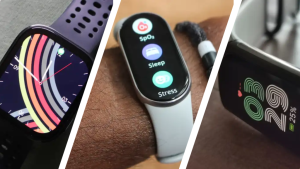
- Smartwatches/Wearables: Devices that connect to smartphones, allowing users to make/receive calls directly from their wrist.
- Smartphone Accessories/Stands: Devices like the “Slinger” act as neck straps or stands that hold the phone in place for hands-free viewing and interaction.
- Voice-Activated Assistants: Virtual assistants (like Google Assistant, Siri) allow for voice-controlled calling and messaging without touching the device.
These devices are crucial in automotive settings to enhance safety, as they allow for both hands on the steering wheel while communicating, complying with laws restricting phone use while driving.