


Solar-powered water purification systems use photovoltaic panels or direct sunlight to remove contaminants, offering a sustainable, off-grid solution for clean drinking water. Technologies include solar distillation, UV sterilization, and UV-powered reverse osmosis (RO) filters. These systems can treat up to 5,000 liters daily for rural or emergency use.
Types of Solar Water Purification Technologies
- Solar Distillation: Uses the sun’s heat to evaporate water, leaving contaminants behind, and condenses it into a clean container.
Solar distillation is a low-cost, sustainable method for purifying contaminated, brackish, or salt water into safe drinking water using solar energy. It mimics the natural water cycle, with sunlight heating water to evaporation—leaving impurities behind—before it condenses on a transparent cover and drains into a collection container.
Key Aspects of Solar Distillation:
- Process & Components: A typical solar still consists of a blackened basin for absorbing heat, a transparent cover (glass/plastic) for condensation, and a collection trough.
- Contaminants Removed: Effective at removing bacteria, viruses, salts, and minerals, providing clean water in areas with limited resources.
- Efficiency & Output: Solar stills generally have efficiencies of 25–35%, and a small-scale, passive system can produce roughly 0.06 gallons per day per square foot.
- Advantages: Zero energy costs, low maintenance, no moving parts, and reliable in sunny, developing, or remote regions.
- Applications: Primarily used for domestic water purification, desalination, and in some cases, industrial water reuse.
Common Designs and Improvements:
- Single-Basin Still: The most common, simple type.
- Active Solar Distillation: Employs external power (like fans or pumps) to improve heat transfer and boost efficiency.
- Multistage/Multi-effect Stills: Used to increase productivity by utilizing the latent heat of condensation.
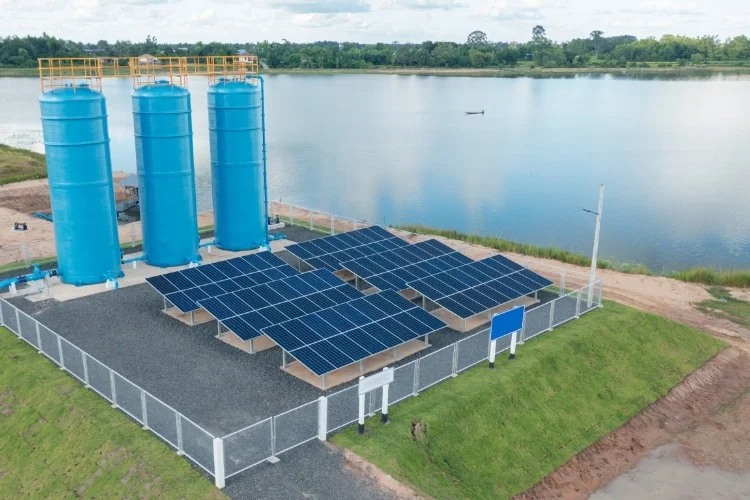
- Solar-Powered Filtration: Uses PV panels to drive electric pumps for sediment filters, activated carbon filters, and reverse osmosis, effectively removing bacteria, viruses, and chemicals.
Solar-powered filtration systems use photovoltaic panels to generate electricity, powering pumps and treatment technologies like Reverse Osmosis (RO) or Ultrafiltration (UF) to produce clean water. These sustainable, off-grid solutions, often including sediment/carbon filters and UV disinfection, can provide up to 5,000 liters daily for communities, providing a durable, low-maintenance, and eco-friendly alternative to conventional water treatment.
Key Components and Technologies:
- Solar Panels: Convert sunlight into electricity to run pumps and filtration systems.
- Filtration Units: RO systems remove contaminants (TDS up to 10,000 PPM), while UF membranes target suspended solids, bacteria, and pathogens.
- Purification Technologies: Systems frequently integrate UV sterilization to neutralize microorganisms.
- Pre-treatment: Components like sediment and carbon filters remove larger particles, sand, and chemicals.
Key Benefits of Solar-Powered Filtration:
- Off-grid Capability: Ideal for remote or rural areas lacking reliable electricity.
- Cost-effective: Operates with minimal ongoing costs after installation.
- High-Volume Output: Advanced units can provide clean water for large, rural communities.
- Sustainability: Reduces reliance on fossil fuels.
Types of Systems:
- Solar-Powered Reverse Osmosis (RO): Best for desalination and removing chemical impurities from drinking water, suitable for brackish water.
- Solar-Powered Ultrafiltration (UF): Effective as a pressure-driven barrier against bacteria and viruses.
- Solar Still/Vapor Generator: Uses solar heat to evaporate water, leaving behind contaminants and salt.
Companies like Applied Membranes, Inc., Chunke Water Treatment, and organizations like the Solar Village Project provide such solutions. For more technical information, research papers on systems are available from IJRASET, while Arka360 provides insights on the overall impact. Additionally, the UNFCCC Momentum for Change initiative showcases successful implementations of this technology.
- Solar-Powered UV Purification: UV lamps, powered by solar panels, are used to disinfect water by deactivating harmful pathogens.
Solar-powered UV purification systems in India provide sustainable, off-grid drinking water, utilizing solar panels to power UV lamps that eliminate bacteria and viruses. These systems, ranging from portable units to large community plants, are critical in rural areas, often integrating carbon filters for pre-treatment. Key solutions include NARI’s low-cost solar purifiers and commercial RO+UV setups costing ₹19,000 to ₹4,95,000.
Key Aspects of Solar UV Purification in India:
- Technology & Application: These systems combine photovoltaic (PV) panels to generate electricity with UV sterilization to kill pathogens. They are especially useful in off-grid rural areas and for disaster relief.
- System Components: A standard setup includes a solar panel (10W+), battery for energy storage, a UV lamp, and a pre-filtration stage (like a charcoal filter) to remove sediment and improve taste.
- System Types:
- Household Units: Compact units offering UV or RO+UV purification.
- Community Systems: Large-scale setups (e.g., Nirmal Solar’s 1000-liter system) meant to provide water for entire communities.
- Advantages:
- Sustainable: Uses renewable energy, reducing reliance on conventional electricity.
- Reduced Pathogens: UV technology is highly effective at killing bacteria and viruses.
- Operational Savings: While initial costs can be high, running costs are low once established.
- Cost & Availability:
- Basic solar purifiers are available from IndiaMART suppliers ranging from approximately ₹6,999 to over ₹2 lakhs for industrial-scale systems.
- Local innovations, such as the low-cost model developed by NARI in Phaltan, are estimated at ₹2,500–₹3,000.
Common Configurations:
- Solar Powered UV System with Reverse Osmosis (RO): Suitable for areas with high total dissolved solids (TDS) and bacterial contamination.
- Solar-Powered Water Purification System using Integrated UV: Specifically designed to treat seawater or highly polluted water.
- Solar-powered Nano-tech filter: A new innovation from Gujarat researchers which uses solar energy and nanotechnology for purification.
Performance and Maintenance:
- Battery Power: A fully charged battery can typically run a standard system for at least 6 hours, allowing for purification during cloudy days or evenings.
- Flow Rate: Commercial units can provide anywhere from 15 LPH (liters per hour) to over 100 LPH.
- Maintenance: Systems require periodic replacement of pre-filters and UV lamps (usually after 9000 hours of use).
- Solar Disinfection (SODIS): A simple method involving exposing water in transparent plastic bottles to sunlight, which kills bacteria.
Solar Water Disinfection (SODIS) is a simple, cost-effective, and safe method to disinfect water using solar radiation (UV-A) and heat in clear PET bottles. It is recommended by the WHO to treat drinking water by killing pathogens with 6 hours of full sun exposure, making it an effective household water treatment method, especially in developing countries.
Key Features and Benefits:
- Portability & Off-Grid Use: Ideal for remote, disaster-prone, or rural areas lacking electrical infrastructure.
- Components: Typically includes solar panels (10W or more), UV lamps, carbon filters, pumps, and water storage containers.
- Efficiency: Modern systems can treat water in minutes, with some using smart indicators (like dye) to confirm when water is safe to drink.
- Types of Sources: These systems can purify water from various sources, including lakes, rivers, and contaminated wells.
Common Applications:
- Residential & Small Offices: Providing clean, purified drinking water to homes and small workplaces.
- Remote Communities & NGOs: Supplying safe water in areas with poor infrastructure.
- Agricultural Irrigation: Ensuring water quality for crops in remote areas.
- Emergency Relief: Delivering safe water in disaster zones.
Examples of Technology:
- GoSun Flow: A portable solar water purifier and brewer.
- Solar BWRO System: A compact, easy-to-install Reverse Osmosis system.
- Nanotech Filtration:
How can solar energy be used to purify water?
Solar energy can be used in two different ways to purify water. It can be converted into electricity using conventional PV panels, which is then used to drive a high pressure pump for reverse osmosis. In the case of distillation, electricity from solar panels can also be used to heat the water.
What is the 20% rule for solar?
The “20% rule” is a practical guideline in the solar industry. It means that when designing a solar system, you should aim for solar power generation to cover about 80% of your total energy consumption, leaving the remaining 20% as a buffer for energy losses or unforeseen demand.
Which is better, RO or UV?
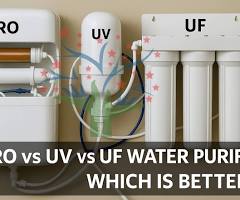
RO is better for high-TDS (hard/borewell) water, removing heavy metals and chemicals, while UV is better for low-TDS (municipal) water, focusing on killing microorganisms. RO is more comprehensive, but UV is cheaper and retains natural minerals. The best choice depends on your water source’s hardness.
Key Differences and Selection:
- When to choose RO (Reverse Osmosis): If your water source is a borewell, has a high TDS level (above 300–500 ppm), or tastes metallic/hard. It removes dissolved solids, heavy metals, and bacteria, but requires electricity and wastes water.
- When to choose UV (Ultraviolet): If your water source is municipal (TDS below 200–300 ppm). UV kills bacteria and viruses effectively but does not remove dissolved salts/TDS.
- Best Combination: For maximum safety, an [RO+UV+UF/TDS Controller] system is recommended, as it removes both chemical contaminants (RO) and biological pathogens (UV), while a TDS controller balances essential minerals.
- Maintenance: UV systems are cheaper and easier to maintain compared to RO, which requires filter replacements and a dedicated water source.
Summary Table:
| Feature | RO (Reverse Osmosis) | UV (Ultraviolet) |
|---|---|---|
| Best For | Hard/Borewell water (High TDS) | Municipal water (Low TDS) |
| Removes TDS? | Yes | No |
| Kills Bacteria? | Yes (often paired with UV) | Yes |
| Water Waste | Yes | No |
| Maintains Minerals? | No | Yes |
How much does a 1 MW plant cost?
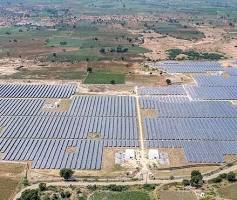
Setting up a 1 MW solar power plant in India as of early 2026 generally costs between ₹3.5 crore and ₹6 crore, with a common average of ₹4.5–₹5 crore. The cost includes solar panels (45-55%), inverters (10-15%), mounting structures, land, and installation, usually requiring 4-5 acres of land.
Key Cost Factors for a 1 MW Plant
- Total Project Cost: Approx. ₹3.5–₹6 Crore (grid-tied, ground-mounted, excluding battery storage).
- Land Requirement: 4–5 acres.
- Key Cost Components:
- Solar Panels: ₹3 crore (approx. 45-55% of total).
- Inverters & Electricals: ₹1 crore (approx. 10-15% of total).
- Mounting & Civil Work: 10–15% of total.
- Installation & Engineering: ~₹50 lakh.
- Generation: A 1 MW plant generates roughly 14–15 lakh units (kWh) of electricity per year.
Factors Affecting Cost:
- Technology: Monocrystalline panels are more expensive but efficient compared to polycrystalline.
- Location: Land prices and solar radiation levels vary by state.
- Infrastructure: Proximity to the grid affects the cost of transmission lines.
Profitability & ROI:
- Payback Period: Typically breaks even within 1.5 to 2 years due to high power generation in states like Maharashtra.
- Income Generation: With a PPA (Power Purchase Agreement) rate of ~₹2.82/unit, annual revenue can exceed ₹38–40 lakh.
Please note: The cost of 1 MW wind power projects in India is slightly higher, ranging between ₹4.5 crore and ₹6.5 crore.
What are the 4 methods of purifying water?
AI Overview
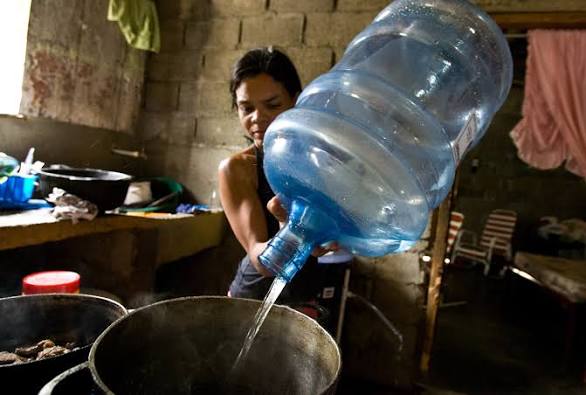
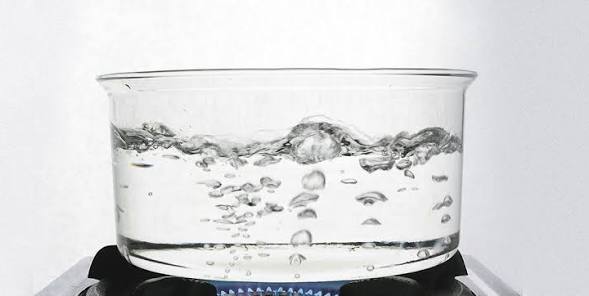
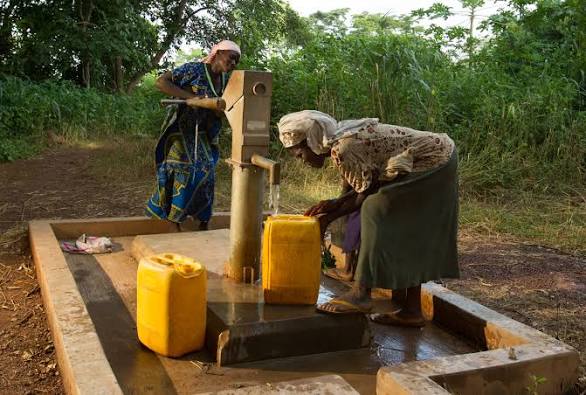
Four effective ways to get clean, potable water include boiling (killing germs with heat), filtration (removing particles via filters), distillation (using evaporation/condensation to remove impurities), and chlorination (adding chemicals to kill microorganisms). These methods are vital for water purification in homes and emergencies.
- Boiling: Bring water to a rolling boil for at least 1 minute (3 minutes at high altitude) to eliminate pathogens.
- Filtration: Use portable water filters, ceramic filters, or activated carbon systems to remove contaminants.
- Distillation: Evaporate water, then condense the steam back to liquid, which leaves behind bacteria, viruses, and minerals.
- Chlorination/Disinfection: Add iodine tablets, iodine solution, or chlorine drops to disinfect water, making it safe to drink.
- Solar Disinfection (SODIS): In an emergency, clear water in plastic bottles can be exposed to direct sunlight for several hours to use UV radiation for disinfection.
To know more just go to reference link: https://www.google.com/search?q=Water+Purification+by+Solar+Energy&rlz=1C1CHBD_en-GBIN1169IN1169&oq=Water+Purification+by+Solar+Energy&gs_lcrp=EgZjaHJvbWUyBggAEEUYOTIICAEQABgWGB4yCAgCEAAYFhgeMggIAxAAGBYYHjIICAQQABgWGB4yCAgFEAAYFhgeMggIBhAAGBYYHjIICAcQABgWGB4yCAgIEAAYFhgeMggICRAAGBYYHtIBCTE1OTUwajBqN6gCCLACAfEFUogmqRgbHpg&sourceid=chrome&ie=UTF-8