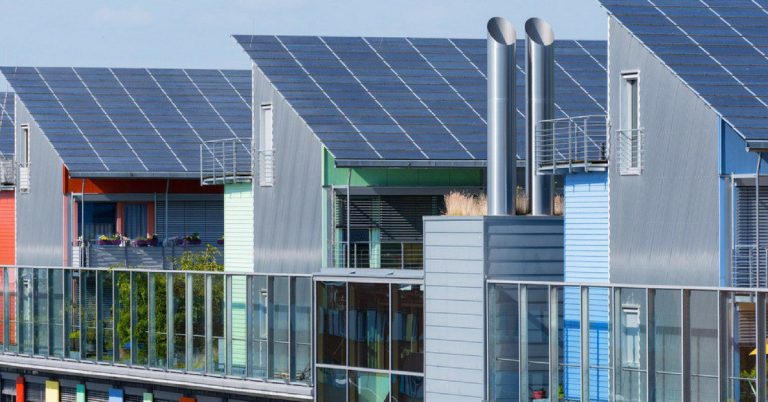

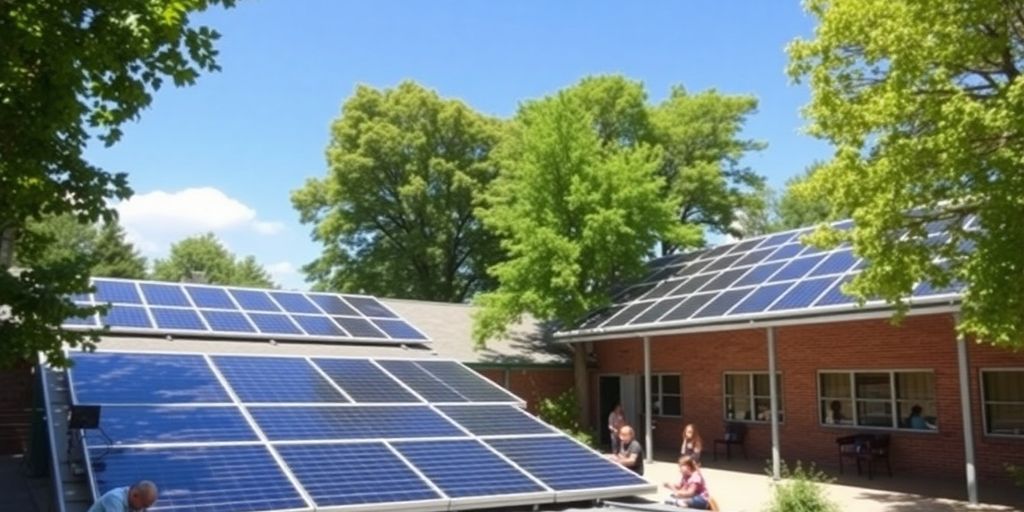
Solar energy is an excellent, highly sustainable, and cost-effective energy solution for schools, typically covering 20% to 40% of energy needs and paying for itself within 5-7 years. It drastically reduces high electricity bills, provides energy independence, and acts as an educational tool, while also offering opportunities to sell excess power back to the grid.
Key Benefits of Solar Energy for Schools:
- Significant Cost Savings: Schools often have large, flat roofs ideal for solar arrays, enabling them to lower electricity expenses. Solar reduces dependency on the grid and cuts costs for lighting, computers, and HVAC systems.
Solar lighting systems provide a highly effective way to reduce reliance on the public electricity grid while cutting ongoing costs for both residential and commercial applications. By leveraging photovoltaic panels to capture sunlight and store it in batteries for nighttime use, these systems offer energy independence and eliminate electricity bills for lighting.
Key Ways Solar Reduces Grid Dependency and Cuts Costs:
- Zero Electricity Bills: Solar-powered lights operate independently of the utility grid. Once installed, they provide illumination without incurring monthly utility charges.
- Reduced Installation Costs: Unlike traditional lighting that requires extensive, expensive trenching, cabling, and infrastructure, solar lighting systems are often “plug-and-play” and do not require connection to the main grid.
- Low Maintenance: Solar lights have minimal operating costs and require little maintenance beyond occasional cleaning, as modern LED components have long lifespans, often 20+ years.
- Protection from Power Outages: Because they are self-sufficient and store their own energy, solar lighting continues to work during blackouts or load-shedding, providing reliable security and convenience.
- Lowered Operational Expenses: For businesses and public spaces, switching to solar lighting can reduce energy costs for lighting by up to 70-80%.
Applications and Impact:
- Outdoor Lighting: Solar-powered LED lights are frequently used for gardens, pathways, driveways, and security, creating a safer environment while eliminating operating costs.
- Public/Commercial Infrastructure: Solar streetlights and parking lot lights eliminate expensive underground wiring and significantly reduce energy budgets for municipalities.
- Remote Areas: In areas where electricity is unavailable or expensive to install, solar is the most affordable alternative.
While the initial upfront investment for solar hardware can be higher than traditional lighting, the long-term savings from eliminating electricity bills and reduced maintenance costs often pay for the system within a few years
- Sustainability and Education: Installing solar panels reduces the school’s carbon footprint, setting a practical example of environmental responsibility for students.
Education for Sustainable Development (ESD) is UNESCO’s response to the urgent challenges facing our planet.
Education for Sustainable Development empowers people with the knowledge, skills, values, attitudes and behaviors to live in a way that is good for the environment, economy, and society. It encourages people to make smart, responsible choices that help create a better future for everyone.
UNESCO’s ESD for 2030 programme produces and shares knowledge, offers policy guidance and technical support to countries, and implements projects on the ground. It fosters peer learning and innovation through information, networks and partnerships.
Within this framework, UNESCO hosts the Secretariat of the Greening Education Partnership which aims to strengthen countries’ capacity to provide quality climate change education and ‘green’ every aspect of learning. The way we live is not sustainable: Humans are depleting the planet’s resources. Climate change is affecting us and all species, damaging ecosystems and leading to unprecedented environmental degradation. Learning is key to finding solutions and creating a more sustainable world. We must learn to live for our planet!
- Reliability: Solar reduces reliance on erratic grid power, preventing disruptions to school activities.
Solar energy systems, particularly when paired with battery storage or in hybrid setups, directly address the challenges of erratic grid power by generating electricity on-site and providing a reliable, independent power source. This decentralization allows homes and businesses to reduce their reliance on traditional power grids, which are often susceptible to outages, voltage fluctuations, and rising energy costs.
Here is how solar reduces reliance on erratic grid power:
- Continuous Power During Outages: Hybrid solar systems—which combine panels, inverters, and battery storage—automatically switch to battery power during blackouts, ensuring that critical equipment and home appliances continue running without interruption.
- Reduced Grid Dependency: By generating electricity at the point of consumption, solar panels decrease the overall demand for power from the central grid, mitigating the impact of brownouts or localized outages.
- Mitigation of Voltage Dips: Unstable grids often suffer from voltage fluctuations that can damage sensitive industrial or residential equipment. Solar systems provide a steady flow of electricity, stabilizing internal voltage levels.
- Lowering Peak Load Pressure: Solar energy production peaks during the day, which often coincides with peak usage hours for air conditioning or industrial machinery. This lowers the strain on aging grid infrastructure, reducing the frequency of peak-demand failures.
- Economic Independence: By producing their own energy, users are shielded from volatile, rising grid electricity tariffs and costly reliance on diesel generators during outages.
Types of Solar Systems for Reducing Grid Reliance:
- Off-Grid Systems: Completely independent of the grid, using batteries for 24/7 power, ideal for remote areas with no, or very unreliable, grid access.
- Hybrid Systems: Connected to the grid for backup but with batteries for storage, providing the best balance of reliability and cost-effectiveness.
Eastman Solar +3
For maximum resilience, advanced energy management systems can be used to predict demand and manage energy flows, ensuring that stored solar energy is prioritized during times when the grid is most unstable.
- Low Maintenance: Once installed, photovoltaic (PV) systems require minimal maintenance, making them practical for long-term use.
Photovoltaic (PV) systems require minimal, low-frequency maintenance, typically involving cleaning every 6–24 months and annual, or biennial, safety inspections. With no moving parts, systems are durable, but maintenance—including panel cleaning, inspection of electrical connections, and inverter monitoring—is necessary to ensure efficiency and safety.
Key Maintenance Requirements:
- Cleaning: Panels should be cleaned every 6 to 12 months (more often in dusty areas) to remove debris that reduces efficiency, as outlined in the Solar Panel Maintenance Guide from Tata Power.
- Inspections: Annual inspections check for broken components, secure wiring, and proper operation of the inverter, which may need replacement after 15–20 years.
- Monitoring: Modern systems feature monitoring software to track energy output and detect faults in real-time, as detailed in the SolarReviews blog.
- Components: While PV panels themselves are durable, Fluke advises that systems with batteries may require maintenance every four to six months.
Effective maintenance, often including professional inspections, prevents substantial energy losses.
- Revenue Generation: During summer and school breaks, excess electricity generated can be fed back into the grid, allowing the institution to earn revenue.
Excess electricity generated by residential or commercial renewable systems (like solar) can be fed back into the grid, typically through a process called net metering. A bidirectional meter records this surplus, enabling owners to receive credits or payments, effectively using the grid as a storage bank.
Key Aspects of Feeding Power Back to the Grid:
- Net Metering & Credits: Excess power feeds into the grid. Your electricity meter runs backward or records the export, granting you credits that lower future utility bills.
- System Requirements: You must have a grid-tied inverter and a bidirectional meter (or smart meter) installed to track exports.
- Financial Benefits: Depending on local regulations (e.g., in the UK or India), you may sell this power via programs like the Smart Export Guarantee or net metering policies.
- Grid Support: This process helps stabilize the grid, reducing pressure during peak demand times.
Key Considerations:
- Policy Variation: Rules, credits, and export rates vary by region and utility provider.
- Consumption vs. Production: It is usually most cost-effective to size systems to match annual consumption rather than over-producing, as payout rates for excess electricity may be lower than the retail purchase price.
- Grid-Connected PV System Types: Systems are designed as grid-tied (no battery needed, relies on the grid for power at night) or hybrid (includes battery storage).
This mechanism allows you to turn surplus solar production into financial gains while contributing to renewable energy use.
For schools looking to implement solar, experts recommend evaluating and consulting specialized providers to maximize efficiency and ROI, such as Rayzon Solar or by looking into Servotech Renewable Power System Limited’s, Ksquare Energy’s, and Keenan Solar’s solutions.
Key Considerations:
- Initial Setup Cost: While costs have dropped significantly over the past decade, initial installation still requires capital investment, though many incentives and rebates are available.
- Roof Condition: The roof must be suitable to support the installation.
- System Type: Grid-connected solar systems are generally considered the most suitable and cost-effective option for educational institutions, as noted by Ksquare Energy.
How many solar panels are needed to run a school?
Now, we divide the school’s daily energy consumption by the daily energy output of one solar panel: So, a school with an annual energy consumption of 200,000 kWh would need approximately 365 solar panels to meet its daily energy needs, assuming 5 hours of sunlight each day and an average panel output of 300 watts.
What is the 20% rule for solar?
The “20% rule” is a practical guideline in the solar industry. It means that when designing a solar system, you should aim for solar power generation to cover about 80% of your total energy consumption, leaving the remaining 20% as a buffer for energy losses or unforeseen demand.
What are 10 disadvantages of solar panels?
However, the cons to consider include:
- The high initial costs of installing panels. …
- Solar energy storage is expensive. …
- Solar doesn’t work for every roof type. …
- Solar panels are dependent on sunlight. …
- Production of panels and batteries can be harmful to the environment.
What happens after 25 years of solar?
After 25 years, solar panels typically experience a decline in efficiency, operating at around 80% of their original capacity. While they still produce electricity, their output is reduced. Panels may also require more frequent maintenance or replacement of certain components.
Please click the Google reference link to know more: https://www.google.com/search?q=How+good+is+Solar+Energy+to+run+a+School&rlz=1C1CHBD_en-GBIN1169IN1169&oq=How+good+is+Solar+Energy+to+run+a+School&gs_lcrp=EgZjaHJvbWUyBggAEEUYOTIHCAEQIRigATIHCAIQIRigATIHCAMQIRiPAtIBCTE5ODcyajBqN6gCALACAA&sourceid=chrome&ie=UTF-8