



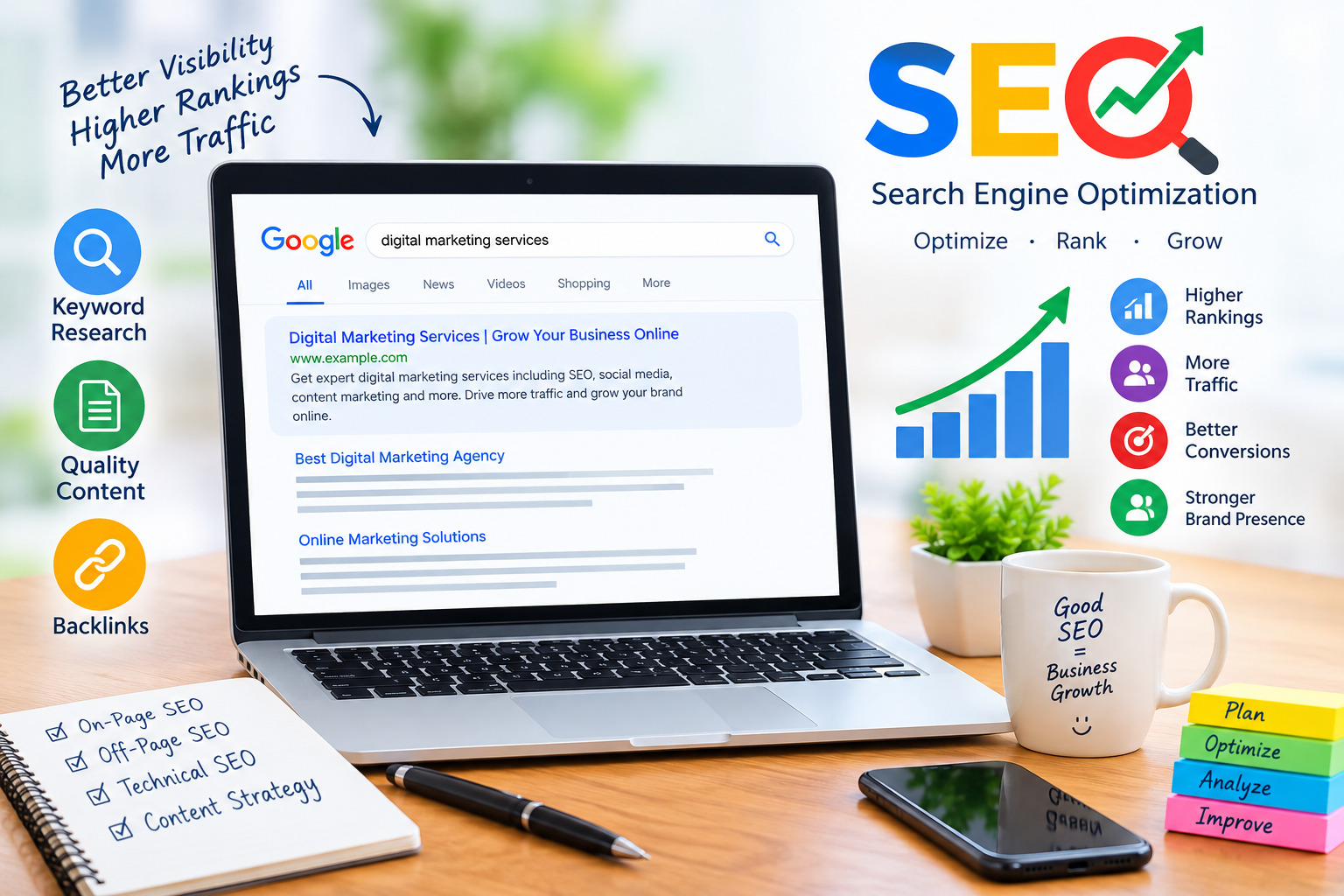
Search Engine Optimization is a tough job. Getting keywords to rank is really hard and requires proper expertise. The first thing which is required is a easy to navigate website. On-page optimisation is the primary job before starting the optimization work (SEO).
Setting meta tags and adding key phrases on the source pages are important, and the loading time of each and every page of the website is also important. The service pages or the products require proper definition, including key phrases which are used to optimize the website.
Anyone can check the list given below to check the results …
We are currently doing SEO for https://sydneymobilecardetailing.com.au using a list of keywords like …
>Mobile car detailing Sydney
>Paint protection Sydney
>Mobile car detailing northern beaches
>Car detailing Sydney
>Mobile car wash Sydney
>Mobile car detailing eastern suburbs
>Sydney CBD car detailing
>Car cleaning Sydney
>Window tinting Sydney and a few more …
Also, https://i-dreamkitchens.co.uk successfully ranked on the first page of Google with keywords like,
>Kitchen renovation contractors Buckinghamshire
>Kitchen contractors Buckinghamshire
>kitchen renovation Buckinghamshire
>Kitchen Remodeling contractors Buckinghamshire
>kitchen appliances store Buckinghamshire
Another website brought to rank is https://www.claritywellbeing.co.uk with keywords like,
>Liver cleanse London
>Gut microbiome testing London
>Colon hydrotherapy testing London
>Liver detoxification package London
>Colonic irrigation testing London
>Liver cleanse program London
>Body detox package London
We follow certain things to maintain quality work, which is endorsed by Google.
Step one:
On-Page Optimisation: A Key to Better Search Engine Rankings
On-page optimisation is an essential part of Search Engine Optimisation (SEO) that helps websites improve their visibility in search engine results. It involves making changes to individual web pages so that search engines can understand their content and users can find the information they need easily. Effective on-page optimisation can attract relevant visitors, improve user experience, and increase the chances of achieving higher rankings on search engines such as Google.
What Is On-Page Optimisation?
On-page optimisation refers to the process of improving different elements of a webpage, including its content, headings, title tags, meta descriptions, images, internal links, and URLs. Unlike off-page SEO, which focuses on external factors such as backlinks, on-page SEO concentrates on elements that website owners can control directly.
The primary objective is to create useful, relevant, and well-structured content that satisfies the search intent of visitors while helping search engines understand the purpose of each page.
Important Elements of On-Page Optimisation:
1. Keyword Research and Placement
Keywords are words and phrases that people enter into search engines when looking for information, products, or services. Choosing relevant keywords is an important first step in on-page optimisation. These keywords should appear naturally in the page title, main heading, introduction, subheadings, and body content wherever appropriate. Excessive keyword repetition should be avoided because it can make content difficult to read.
2. Title Tags and Meta Descriptions
A title tag communicates the main topic of a webpage and can influence whether users click on it in search results. It should be clear, descriptive, and relevant to the page content. A meta description provides a short summary of the page and can encourage users to visit the website when it accurately reflects their needs.
3. High-Quality Content
Useful and original content is at the heart of successful SEO. Articles should answer readers’ questions, provide accurate information, and offer practical value. Organising content into short paragraphs, headings, and bullet points makes it easier to read. Regularly reviewing and updating outdated information can also improve its usefulness.
4. Image and URL Optimisation
Images should be compressed appropriately to support faster loading times. Descriptive file names and meaningful alternative text can help search engines understand images and improve accessibility. URLs should be short, readable, and relevant to the page topic.
5. Internal Linking and Mobile Friendliness
Internal links connect related pages within a website, helping visitors discover more information, and search engines find important content. Websites should also work smoothly on mobile devices, load efficiently, and provide simple navigation.
Benefits of On-Page Optimisation:
Effective on-page optimisation can improve search visibility, attract targeted organic traffic, enhance user engagement, and make website content more accessible. Although results are not guaranteed, consistent improvements can support long-term SEO performance.
Step two:
Off-Page Optimisation: A Key Strategy for SEO Success
Introduction:
Off-page optimisation is an essential part of Search Engine Optimisation (SEO) that helps improve a website’s reputation, authority, and visibility in search engine results. Unlike on-page optimisation, which focuses on improving content and elements within a website, off-page optimisation involves activities performed outside the website to build trust and attract visitors.
What Is Off-Page Optimisation?
Off-page optimisation refers to techniques used to establish a website’s credibility and popularity across the internet. Search engines consider various signals, including relevant backlinks, brand mentions, and online reputation, when evaluating a website. Effective off-page SEO can help businesses reach a wider audience and improve their chances of achieving higher search rankings.
Important Techniques for Off-Page Optimisation:
1. Link Building: Link building involves earning links from other relevant and trustworthy websites. Quality backlinks can help search engines discover content and understand its credibility. However, links should be earned naturally rather than purchased or created through spammy practices.
2. Social Media Marketing: Sharing useful content on social media platforms can increase brand awareness, encourage audience engagement, and attract visitors to a website. Although social media engagement is not generally a direct Google ranking factor, it can help content reach people who may link to it.
3. Guest Blogging: Publishing valuable articles on relevant websites allows businesses to demonstrate their expertise, connect with new audiences, and earn appropriate referral traffic. Guest blogging should prioritise quality and relevance instead of producing content solely to obtain backlinks.
4. Online Business Listings: Accurate business information on reputable directories and local listing platforms can improve online visibility. Consistent contact details help customers find and recognise a business.
5. Brand Reputation Management: Encouraging genuine customer reviews, responding professionally to feedback, and participating in relevant online discussions can strengthen public trust and brand recognition.
Benefits of Off-Page Optimisation:
A well-planned off-page SEO strategy can improve website authority, attract referral traffic, strengthen brand awareness, and support better search visibility. It also helps businesses build relationships with other organisations and industry professionals.
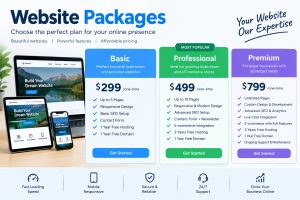
We do this job on a monthly fee basis which is country specific. Just to throw in an idea, it starts from 150 to 200 USD based on the number of keywords to be done.


A strong piece with a lot of interesting thoughts. I appreciated how you connected the broader discussion to the main point of the article.
This article held my interest longer than I expected. I appreciated the clear explanations and the thoughtful way you approached the subject.