


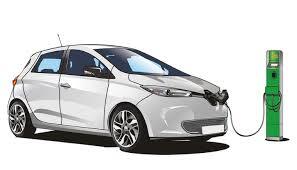
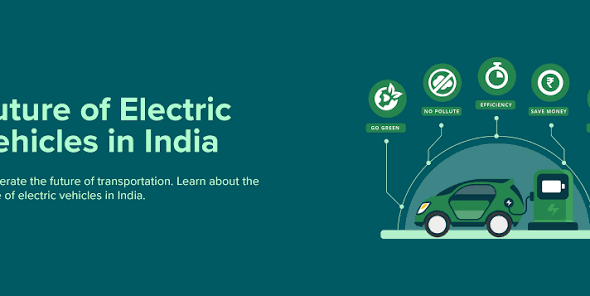
The Indian electric vehicle (EV) market is rapidly growing in 2026, led by affordable models from Tata Motors and MG Motor, with prices starting from ₹6-9 Lakh for commuter cars like the Comet EV and Punch EV, and higher-end options from Mercedes-Benz and BMW. Key models driving adoption include the Tata Nexon EV, MG Windsor EV, and Mahindra BE 6.
Top Electric Cars in India (2026) >>
- Budget/Compact: MG Comet EV (~₹6.31 Lakh), Tata Tiago EV (~₹7.99 Lakh), Tata Punch EV (~₹8.09 Lakh).
- Mid-Range/SUV: MG Windsor EV (starts ~₹11.98 Lakh), Tata Nexon EV (starts ~₹12.49 Lakh), Mahindra XEV 9e.
- Premium/Long Range: Mercedes-Benz EQS (857 km range, ~₹1.30 Cr), Kia EV6 (708 km)
Key Trends and Incentives (2026) >>
- Market Leaders: Tata Motors maintains a strong hold on the market with its wide portfolio (Nexon.ev, Punch.ev, Curvv.ev, Tigor.ev).
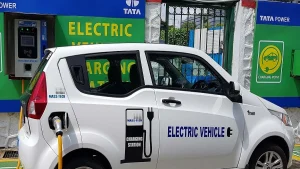
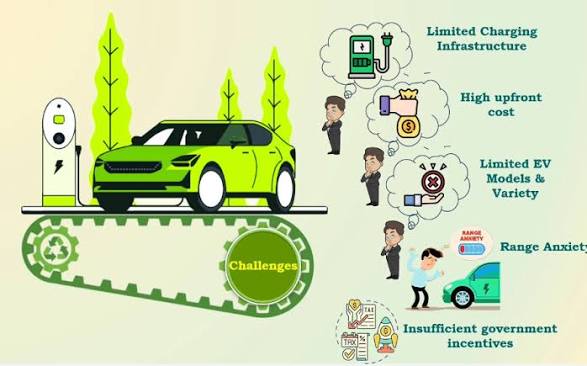
- Growing Infrastructure: While the market is expanding, charging infrastructure is focusing on improving accessibility in cities, with the government encouraging adoption to reduce emissions.
- Incentives: e-AMRIT reports incentives for vehicles: Two-wheelers (~₹15,000/kWh), Three-wheelers (~₹10,000/kWh), Four-wheelers (~₹10,000/kWh), and Electric Buses (~₹20,000/kWh).
- Future Growth: Over 25 new electric cars, predominantly SUVs, are expected to launch between 2026-2028.
Which EV vehicle is best in India?
The “best” EV in India depends on needs, but top contenders include the Tata Nexon EV (popular SUV), MG ZS EV (feature-rich), Tata Punch EV (affordable & safe), and the compact MG Comet EV for city driving, with newer models like the Maruti Suzuki e Vitara and Mahindra BE 6 gaining traction, offering great range and performance for various budgets. For luxury and long range, the Kia EV6, Hyundai Ioniq 5, and Mercedes-Benz EQS lead, while scooters from TVS and Ola dominate the electric two-wheeler market.
Top Electric Cars in India (2026):
- Tata Nexon EV: India’s most popular electric SUV, known for its balance of price, range, and features.
- MG ZS EV: Offers a premium feel with a panoramic sunroof, safety features, and good range.
- Tata Punch EV: A strong contender for first-time EV buyers, offering good safety and compact size.
- MG Comet EV: Ideal for city commutes due to its compact size, smart design, and affordability.
- Mahindra XUV400/XUV 3XO EV: Sporty designs, dual-tone options, and fast-charging capabilities.
- Maruti Suzuki e Vitara / Mahindra BE 6 / MG Windsor EV: Newer popular options with promising range and features in the mid-range segment.
Long-Range & Premium Options:
- Mercedes-Benz EQS: Offers exceptional range (up to 857 km) for luxury buyers.
- Kia EV6 & Hyundai Ioniq 5: Known for ultra-fast charging, sleek design, and long range.
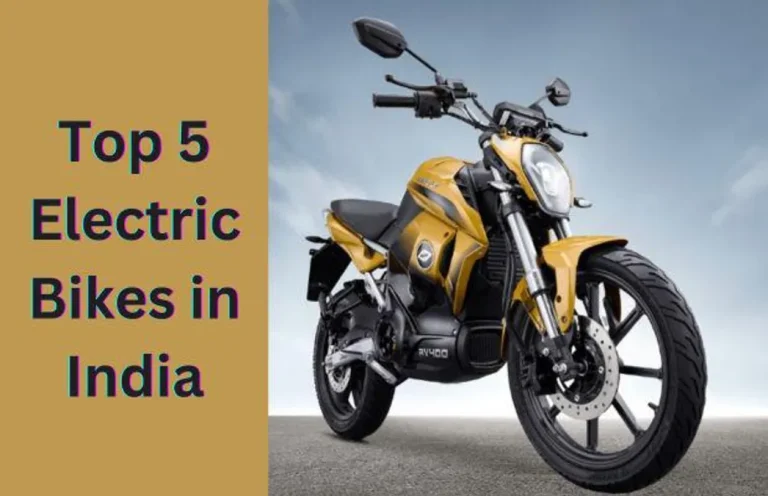
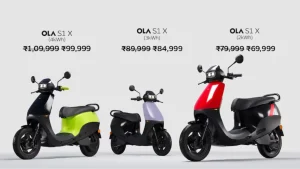
Top Electric Scooters (2026):
- TVS iQube: Popular models with good range, from the 2.2 kWh to the ST variant.
- Ola Electric (S1 X, Roadster): Dominating sales with various models offering high top speeds and range.
- Ather Rizta S & 450 S: Known for smart features and urban performance.
To choose the best EV for you, consider factors like budget, range needed, primary use (city vs. highway), and desired features (safety, tech, size).
Which EV has 700 km range in India?
For 700 km range EVs in India, the Mercedes-Benz EQS leads with over 800km (WLTP), while the upcoming BYD Seal (top variant) and the new Mercedes-Benz VLE van offer around 700 km, alongside premium options like the Kia EV6 (708km) and BMW i7 (625km) that get close, though real-world range varies, with premium EVs offering the best figures currently.
Top Contenders for 700+ km Range:
- Mercedes-Benz EQS: Offers the highest claimed range, exceeding 800 km (WLTP) in some configurations, making it a top choice for long distances.
- BYD Seal: The top variant with an 82.5 kWh battery boasts a claimed 700 km range in global specs, expected in India.
- Mercedes-Benz VLE (Electric Van): A newly unveiled luxury van promising over 700 km range, focusing on space and versatility.
- Kia EV6: A strong contender with a claimed range of 708 km, offering a premium experience.
Other Notable Long-Range EVs:
- Hyundai Ioniq 5: Provides a solid range of around 631 km, a popular choice.
- BMW i7: A luxury sedan with a range of about 625 km.
- Mahindra XUV 9S (Concept): An upcoming option with projected ranges around 600-680 km for its electric variants.
Key Considerations:
- Test Cycles: Reported ranges (like WLTP) are lab figures; real-world range depends on driving style, terrain, and AC usage.
- Premium Focus: Currently, the highest range figures (700km+) are found in the luxury segment.
- BYD’s Blade Battery: The BYD Seal uses this technology, which is known for better real-world range and safety.
Which is the cheapest EV in India?
FAQs. The MG Comet EV currently holds that title, starting at ₹ 4.99 lakh (ex-showroom). The TATA Nexon. ev Long Range version offers up to 465 km (MIDC) on a single charge.
What happens to EV after 8 years?
As EVs get older, the batteries progressively degrade. It is expected that at around 75% of the battery’s original capacity, it has reached the end of its life in an EV. In reality what this means is that if the car was sold with 400 km driving range, at the end of its useful life it could be down to around 300 km.
Which EV car is most selling in India?
The MG Windsor EV is the highest-selling electric car in India, leading sales significantly in 2025 and early 2026, known for its spaciousness, features, and family appeal, though the Tata Nexon EV and Tata Punch EV remain strong contenders, especially within Tata’s overall market leadership.
Top-Selling Models & Brands:
- MG Windsor EV: Consistently topped charts in 2025, with sales exceeding 46,000 units for the calendar year, making it the best-selling four-wheeler EV in India.
- Tata Nexon EV: A perennial favorite and one of India’s first affordable electric SUVs, holding strong sales and keeping Tata Motors a dominant force.
- Tata Punch EV: Another key driver for Tata, popular for being safe, practical, and affordable, especially in early 2026.
- Mahindra XEV 9E: Gaining traction with its family-oriented design, features, and competitive pricing, appearing high on recent sales lists.
Market Trends:
- MG & Tata Dominance: MG and Tata Motors together account for a significant majority of the Indian EV market.
- Growing Competition: While MG leads in individual models, Tata Motors often leads overall by volume with its popular budget-friendly models.
- New Entrants: Newer models like the Mahindra XEV 9E and models from BYD are also seeing strong acceptance in the growing premium segment.
What is the cheapest EV vehicle?
The cheapest EVs in early 2026 are compact city cars like the MG Comet EV and Tata Tiago EV, with starting prices around ₹7.5 to ₹8.5 Lakh (ex-showroom) in India, ideal for urban commuting, though some micro-EVs like the Vayve Mobility Eva offer even lower prices but with limitations. For slightly more range and SUV practicality, the Tata Punch EV is a strong budget contender, while the MG Comet EV is often cited as the absolute cheapest overall for city use.
Top Picks for Cheapest EVs (India Market Focus):
- MG Comet EV: Often listed as the absolute cheapest, it’s a compact, two-door city car great for tight spaces, with a range suitable for short urban trips (around 230 km).
- Tata Tiago EV: A popular budget hatchback offering a good balance of range (around 223-293 km) and features, making it a strong all-rounder for city and short highway drives.
- Tata Punch EV: A compact SUV with more space and higher safety ratings, offering better range (around 315 km+) and more power, ideal for families needing more versatility.
Other Notable Mentions:
- Vayve Mobility Eva: A very low-cost micro-EV option in India with battery rental plans, priced extremely low (around ₹3.25 Lakh with BaaS) but very basic.
- Citroen eC3: Another budget-friendly option, especially for those wanting a slightly larger compact car with decent range.
Key Considerations:
- City vs. Highway: Cheaper EVs like the Comet are excellent for city commuting, while the Tiago EV and Punch EV offer more range for varied use.
- Battery-as-a-Service (BaaS): Some models, like the Vayve Eva and MG Windsor, offer lower upfront costs if you rent the battery, but you pay a monthly fee.
- Features: Lower-priced models often compromise on high-tech features, focusing on core electric functionality.
Which EV car has a 1000 km range?
Electric vehicles (EVs) reaching or exceeding 1000 km range are emerging, primarily through advanced battery tech like BYD’s Blade 2.0 and solid-state batteries, seen in concepts and new models from brands like BYD (Seal 08, Yangwang U7), NIO (ET7 with a 150kWh pack), and Mercedes prototypes, though production versions often offer slightly less, with some models pushing over 800km now. These breakthroughs focus on higher energy density and ultra-fast charging, making 1000km a realistic target for future EVs, notes Electrek, The Driven.
Current & Upcoming 1000km+ Range EVs:
- BYD Yangwang U7: Utilizes BYD’s new Blade Battery 2.0, offering 1006 km range with a 150 kWh battery.
- BYD Seal 08: Another BYD model with a claimed 1000 km range, built on efficient new tech.
- NIO ET7: Achieved over 1000 km in real-life tests using a massive 150kWh battery pack.
- Mercedes EQS (Prototype): Testing solid-state batteries with partners like Factorial Energy for over 1000 km range in future models.
Key Technologies Enabling This:
- Blade Battery 2.0 (BYD): Features increased energy density and ultra-fast charging (10-80% in 5-9 mins).
- Solid-State Batteries: Offer higher energy density than traditional lithium-ion, with prototypes showing significant range gains.
- Ultra-High Energy Density Cells: New battery chemistry, including lithium-rich manganese cathodes, pushes density above 500 Wh/kg.
- Lightweight & Aerodynamic Design: Prototypes like Renault’s Philant demonstrate how extreme efficiency (light weight, low drag) can extend range dramatically.
The Future: Expect an “avalanche” of EVs with 1000km range in the next 5-7 years as solid-state batteries and advanced chemistries become mainstream.
What are the disadvantages of EVs?
Electric Cars – What are the downsides to electric cars?
- Their batteries need rare metals. …
- Making electric cars creates more emissions. …
- They are only as green as their power sources. …
- Electric cars can be expensive to buy. …
- You can’t drive as far in an electric car. …
- There aren’t enough charging points.