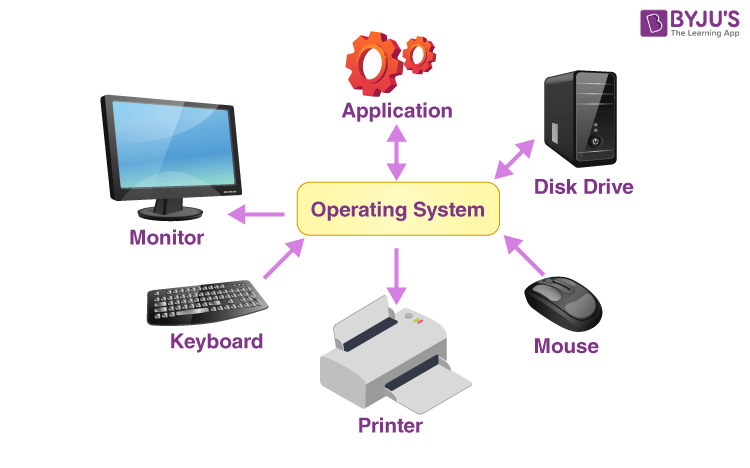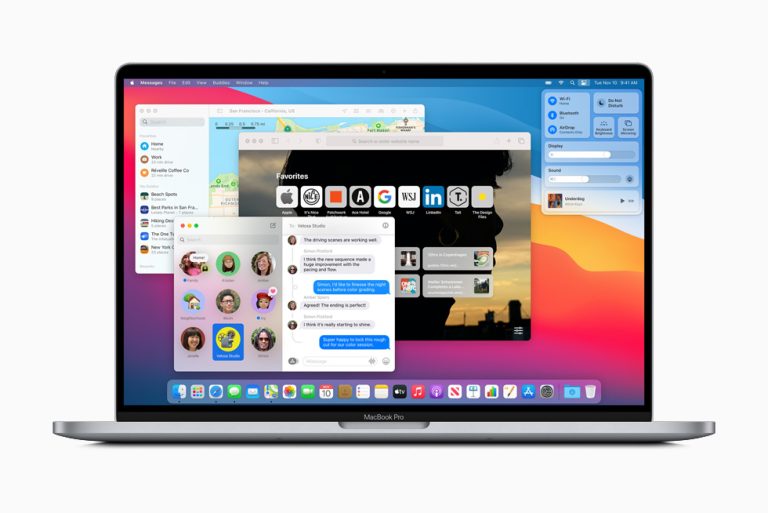



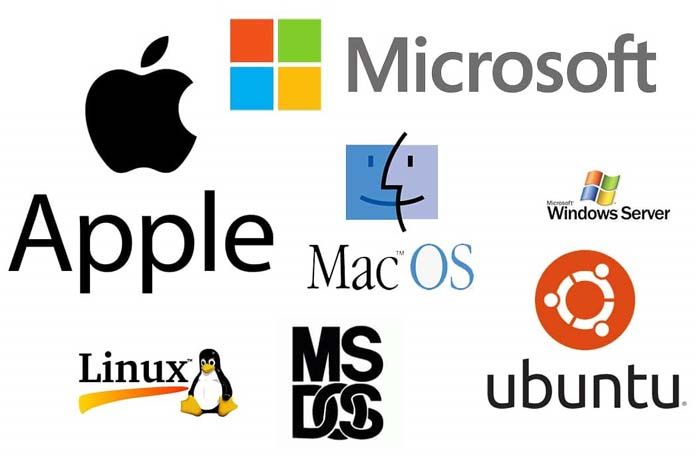
A computer operating system (OS) is the fundamental software that manages a computer’s hardware and software resources, acting as an intermediary between the user and the physical components. It is responsible for core functions like file and memory management, process control, and handling input and output, and provides a user interface for interacting with the device and running other programs. Examples of operating systems include Microsoft Windows, Apple macOS, Linux, and Google
Android for mobile devices.
Key functions of an operating system:
*Resource management: The OS allocates and manages the computer’s resources, including the CPU, memory, and storage, to ensure smooth and efficient operation.
*User interface: It provides a way for users to interact with the computer, either through a graphical user interface (GUI) or a command-line interface (CLI).
*Process management: It controls the execution of all running programs, preventing them from interfering with each other and managing tasks such as scheduling and synchronization.
*File management: The OS organizes and manages files and directories on storage devices, providing a file system for easy access and manipulation.
*Hardware interaction: It acts as a bridge between applications and hardware, allowing software to run without needing to know the specifics of each piece of hardware.
Examples of operating systems are:
For Desktop: Microsoft Windows, Apple macOS, and Linux distributions.
For Mobile: Google Android and Apple iOS.
What are the 7 types of OS?
Types of Computer Operating System >> Understanding the Various OS
The 7 common types of operating systems include batch, time-sharing, multiprogramming, multiprocessing, distributed, network, and real-time operating systems. Other classifications exist, such as mobile, embedded, and single-user/multi-user, which can overlap with these core types.
*Batch OS: Executes jobs in batches without manual intervention, popular in earlier systems.
*Time-Sharing OS: Allows multiple users to share a single computer’s resources simultaneously by giving each user a time slice.
*Multiprogramming OS: Keeps the CPU busy by having several jobs in memory at once, switching between them when one has to wait.
*Multiprocessing OS: Uses two or more CPUs to execute tasks in parallel for increased performance.
*Distributed OS: Manages a group of independent computers and presents them as a single system, coordinating them across a network.
*Network OS: Provides services and protocols for computers on a network to communicate and share resources.
*Real-Time OS: Processes data with a strict, time-sensitive deadline, used in systems like missile systems or air traffic control.
What are the 20 examples of operating systems?
Twenty examples of operating systems include Microsoft Windows, Apple macOS, Android, iOS, Linux, Chrome OS, and various other specific systems like FreeBSD, Ubuntu, Solaris, MS-DOS, and Unix.
- Microsoft Windows: A family of operating systems developed by Microsoft, widely used on PCs and laptops.
2. Apple macOS: A Unix-based operating system created by Apple for its Mac computers.
3. Android: A mobile operating system based on a modified version of the Linux kernel, primarily used for smartphones and tablets.
4. iOS: A mobile operating system developed by Apple for its iPhone and other devices.
5. Linux: An open-source operating system kernel that is the basis for many other operating systems like Ubuntu and Fedora.
6. Chrome OS: A Linux-based operating system developed by Google, designed for its Chromebooks.
7. Ubuntu: A popular Linux distribution.
8. Solaris: A Unix-based operating system developed by Sun Microsystems, and now owned by Oracle.
9. MS-DOS: An operating system developed by Microsoft for IBM-compatible personal computers in the 1980s.
10. FreeBSD: An open-source operating system derived from BSD (Berkeley Software Distribution) UNIX.
11. Unix: A family of multitasking, multi-user computer operating systems that were originally developed in the 1960s.
12. Fedora: Another popular Linux distribution.
13. QNX: A real-time operating system.
14. IRIX: A Unix operating system developed by Silicon Graphics.
15. AIX: A series of proprietary Unix operating systems developed by IBM.
16. HP-UX: A Unix operating system developed by Hewlett-Packard.
17. z/OS: A series of mainframe operating systems for IBM’s System z mainframes.
18. Redox: A Unix-like operating system written in the Rust programming language.
19. SkyOS: A discontinued commercial desktop operating system.
20. Haiku: An open-source operating system being developed to provide a free software alternative to the commercial BeOS.
What are the five common types of operating systems?
Operating system – as per Wikipedia
As of September 2024, Android is the most popular operating system with a 46% market share, followed by Microsoft Windows at 26%, iOS and iPadOS at 18%, macOS at 5%, and Linux at 1%. Android, iOS, and iPadOS are mobile operating systems, while Windows, macOS, and Linux are desktop operating systems.